


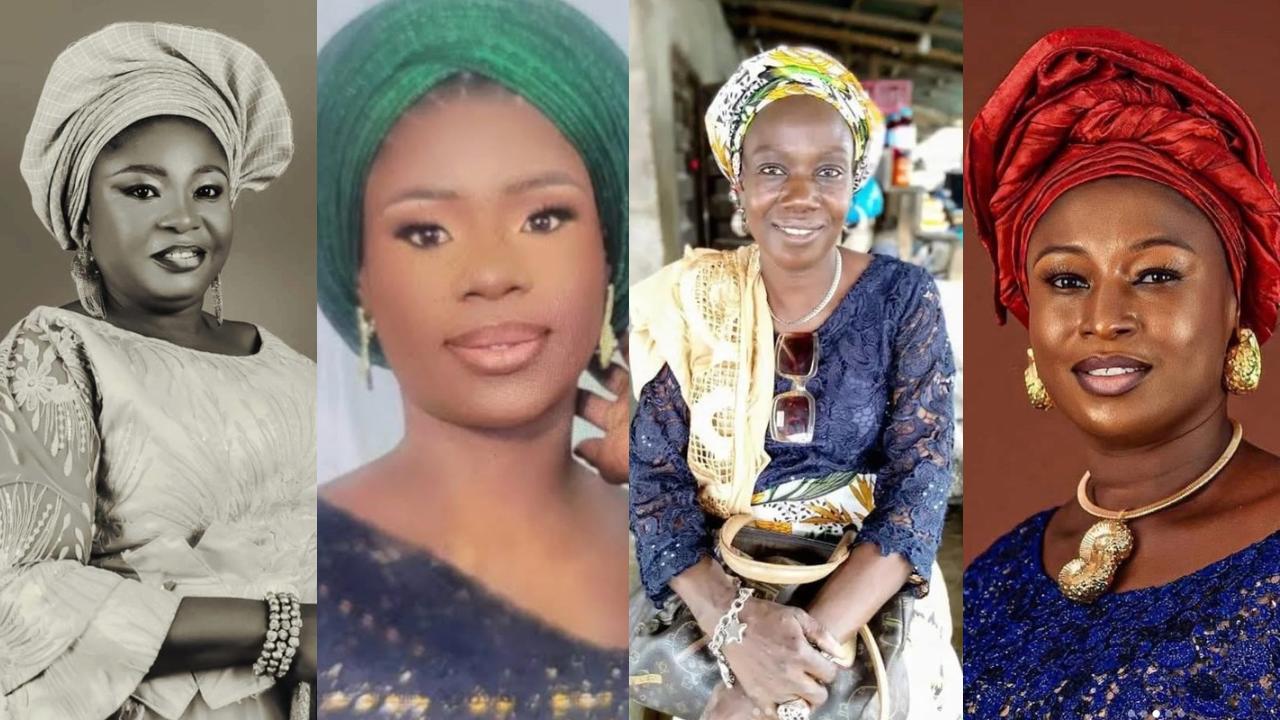
Lagos State has been thrown into mourning following the deaths of four female local government officials barely two months after they were inaugurated into office.
The elected women, all sworn in on July 27, 2025, reportedly died in quick succession between August and September, a development that has sparked widespread concern and calls for clarity from the public.
The first tragedy occurred on August 13 when Oluwakemi Rufai, councillor for Ward C1 in Ibeju-Lekki Local Government Area, passed away just 17 days after taking the oath of office.
Barely five days later, on August 18, Zainab Shotayo, councillor for Ward C3 in Odi-Olowo/Ojuwoye LCDA and the only female councillor in that council, also died following a brief illness.
Both deaths were described by family and party officials as sudden and unexpected.
The grief deepened in September when Princess Oluremi Nutayi Ajose, vice chairman of Badagry West LCDA and daughter of the Alapa of Apa Egun-Awori Kingdom, died on September 20, fifty-five days after her inauguration.
A day later, on September 21, Basirat Oluwakemi Mayabikan, councillor for Ward F in Shomolu Local Government, was confirmed dead, bringing the number of casualties to four within an eight-week span. While illness was cited in at least two of the cases, the exact causes of death for Ajose and Mayabikan have not been made public.
- Nigeria’s First Ebola Patient Identified as Wife of Swiss Diplomat as Authorities Probe Source of Infection
 Nigeria’s latest Ebola case has been traced to a 42-year-old…
- MURIC Seeks Police Probe into Alleged Killing of Man Inside Oyo Mosque
 The Muslim Rights Concern (MURIC) has petitioned the police over…
Read More “MURIC Seeks Police Probe into Alleged Killing of Man Inside Oyo Mosque” »
The unusual cluster of fatalities has raised anxiety among residents, gender advocates and political observers who are demanding transparent investigations.
Civil society groups have called for the release of medical findings to dispel rumours and prevent misinformation. The Lagos chapter of the All Progressives Congress (APC), the ruling party to which the deceased belonged, has urged the public to avoid speculation, maintaining that there is no evidence of foul play and emphasising that the women’s deaths were unrelated to politics.
Beyond the shock, the deaths have serious implications for female representation in grassroots governance, as some of the councils affected had only one or two women among their elected officers. Stakeholders are now urging the state government to commission medical inquiries, strengthen health support for public office holders and ensure that replacements are made without undermining the push for gender inclusion.
As Lagos residents mourn these women, celebrated for breaking barriers in local politics, questions remain about the health, welfare and safety structures in place for public servants.
Until official reports are released, the state continues to grapple with grief and uncertainty over the sudden loss of four promising female leaders.