



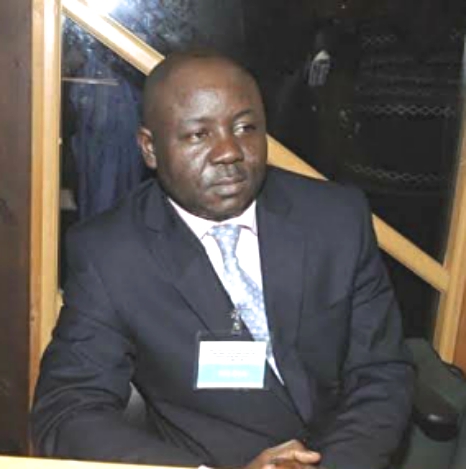

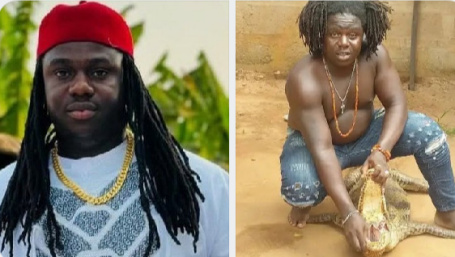
A High Court in Awka has sentenced Chidozie Nwangwu, popularly known as Akwa Okuko, to 11 months’ imprisonment for offences related to money rituals and the administration of charms. The judgment marks the conclusion of a high-profile case that has drawn widespread public attention across the state.
Justice Jude Obiorah delivered the verdict after Nwangwu pleaded guilty to charges filed by the Anambra State Government, which accused him of using charms and ritual objects, locally referred to as “Okeite,” for illicit purposes including aiding criminal activities. Prosecutors described the case as part of a broader effort to curb ritual practices linked to insecurity.
The court reduced Nwangwu’s effective custodial time to 11 months, taking into account that he had already spent about 13 months in detention awaiting trial. He is to serve the remainder of his term at the Awka Correctional Centre, under the supervision of the state authorities.
In addition to imprisonment, the court ordered the complete demolition of Nwangwu’s Oba Shrine in Oba, Idemili South Local Government Area. State security operatives supervised the demolition, removing ritual objects and publicly burning them as part of the exercise.
Beyond incarceration and shrine destruction, the court imposed strict corrective measures aimed at curbing ritual practices. Nwangwu is prohibited from practicing Okeite or administering charms while in custody and after his release. He is also required to publicly denounce Okeite through social media and public appearances.
The court further directed that Nwangwu take on a new role as an Ambassador for Youth Re-orientation, a position intended to warn young people against seeking wealth or influence through unlawful or supernatural means. Officials said this directive was part of the state’s effort to transform former practitioners into advocates for social reform.
- Nigeria’s First Ebola Patient Identified as Wife of Swiss Diplomat as Authorities Probe Source of Infection
 Nigeria’s latest Ebola case has been traced to a 42-year-old…
- MURIC Seeks Police Probe into Alleged Killing of Man Inside Oyo Mosque
 The Muslim Rights Concern (MURIC) has petitioned the police over…
Read More “MURIC Seeks Police Probe into Alleged Killing of Man Inside Oyo Mosque” »
Authorities described the sentencing as a necessary action to protect public safety and uphold the rule of law. The Anambra State Government has intensified enforcement actions against native doctors and ritual practitioners under laws targeting activities that contribute to insecurity.
Nwangwu’s arrest in February 2025 had followed months of investigation into ritual practices in the state. He was detained alongside two associates, Eke Hit and Onyeze Jesus, who are still undergoing legal proceedings related to similar charges.
While some cultural groups have raised concerns over civil liberties and the impact on traditional practices, the government emphasized that the measures are intended to prevent criminal exploitation of spiritual beliefs and protect citizens from harmful rituals.
The case has sparked nationwide discussions about the balance between cultural rights and public safety, with authorities reaffirming that traditional practices must not contravene the law or endanger lives. Nwangwu’s sentence and the accompanying directives are seen as a landmark in Anambra State’s campaign against illegal ritual activities.