








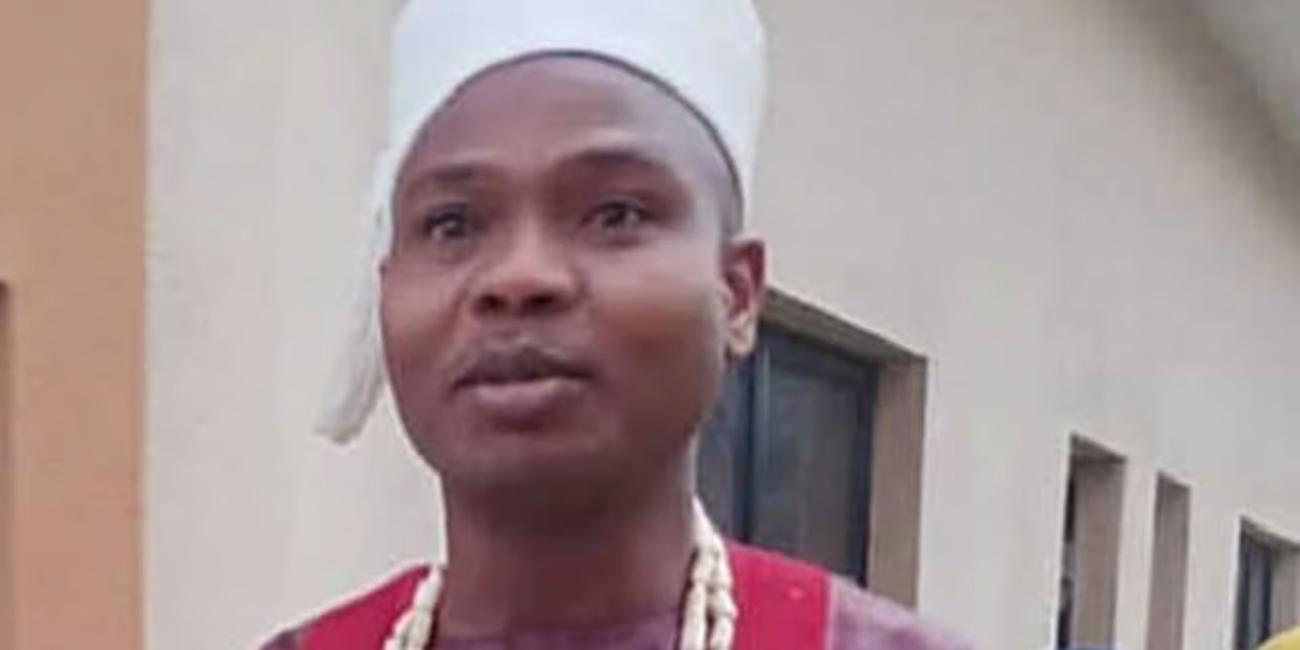
The Ojibara of Bayagan Ile in Kwara State, Alhaji Kamilu Salami, has regained his freedom after spending 25 days in the custody of armed bandits, bringing relief and celebration to his community in Ifelodun Local Government Area of the state. The traditional ruler was released late on Tuesday after prolonged negotiations that reportedly involved the payment of ransom in two instalments.
Alhaji Salami was abducted on November 29, 2025, while working on his farm on the outskirts of Bayagan Ile. His abduction sent shockwaves across the community and neighbouring towns, heightening fears over the growing spate of kidnappings and bandit attacks targeting rural dwellers and traditional leaders in parts of north-central Nigeria.
Sources within the community said the monarch was taken deep into a forest by his captors, who maintained constant movement to evade security surveillance. This made contact and negotiations difficult, prolonging the period of captivity and increasing anxiety among residents and the royal family.
A community spokesperson confirmed that the monarch’s release followed the payment of ransom in two separate tranches after initial efforts to meet the bandits’ demands fell short. The funds were reportedly mobilised by community members, friends, and associates of the monarch, with no direct financial intervention from the state or local government authorities.
- Nigeria’s First Ebola Patient Identified as Wife of Swiss Diplomat as Authorities Probe Source of Infection
 Nigeria’s latest Ebola case has been traced to a 42-year-old…
- MURIC Seeks Police Probe into Alleged Killing of Man Inside Oyo Mosque
 The Muslim Rights Concern (MURIC) has petitioned the police over…
Read More “MURIC Seeks Police Probe into Alleged Killing of Man Inside Oyo Mosque” »
Although the exact amount paid was not disclosed, community leaders described the ransom as substantial, noting that delays in raising the required sum contributed significantly to the length of the monarch’s captivity. Elders reportedly advised against public disclosure of the figure for security reasons.
Following his release, the traditional ruler was immediately taken out of the community for medical evaluation and rest after the traumatic experience. Family sources said he was weak but stable and responding well to care, with doctors expected to monitor his condition closely in the coming days.
News of the monarch’s freedom sparked spontaneous celebrations in Bayagan Ile, as residents trooped to the palace area to express gratitude and solidarity with the royal family. Many described his release as a collective victory after weeks of tension, fear, and uncertainty.
The incident, however, has renewed concerns about security in rural Kwara communities, where farmlands and forested areas have increasingly become hotspots for criminal activity. Residents say fear of abduction has disrupted farming activities and livelihoods in the area.
In response, community leaders revealed plans to strengthen local security by increasing vigilance, engaging local hunters, and improving coordination with security agencies to prevent a recurrence. Some residents who fled the community during the monarch’s captivity are expected to return gradually.
The abduction and eventual release of the Ojibara of Bayagan Ile underscore the broader challenge Nigeria faces with kidnapping for ransom, a crime that continues to threaten lives, traditional institutions, and economic activities, while raising urgent questions about rural security and protection of vulnerable communities.


