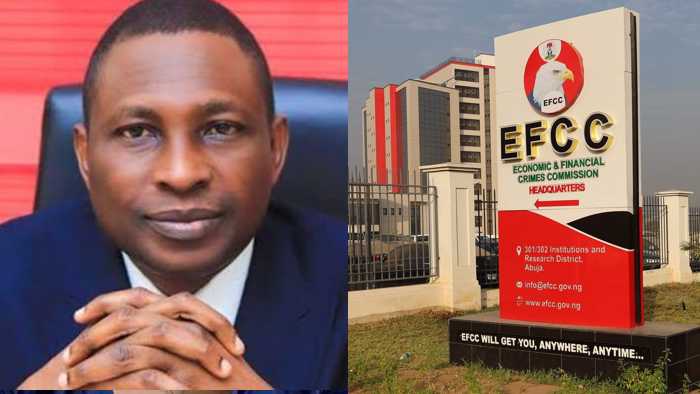
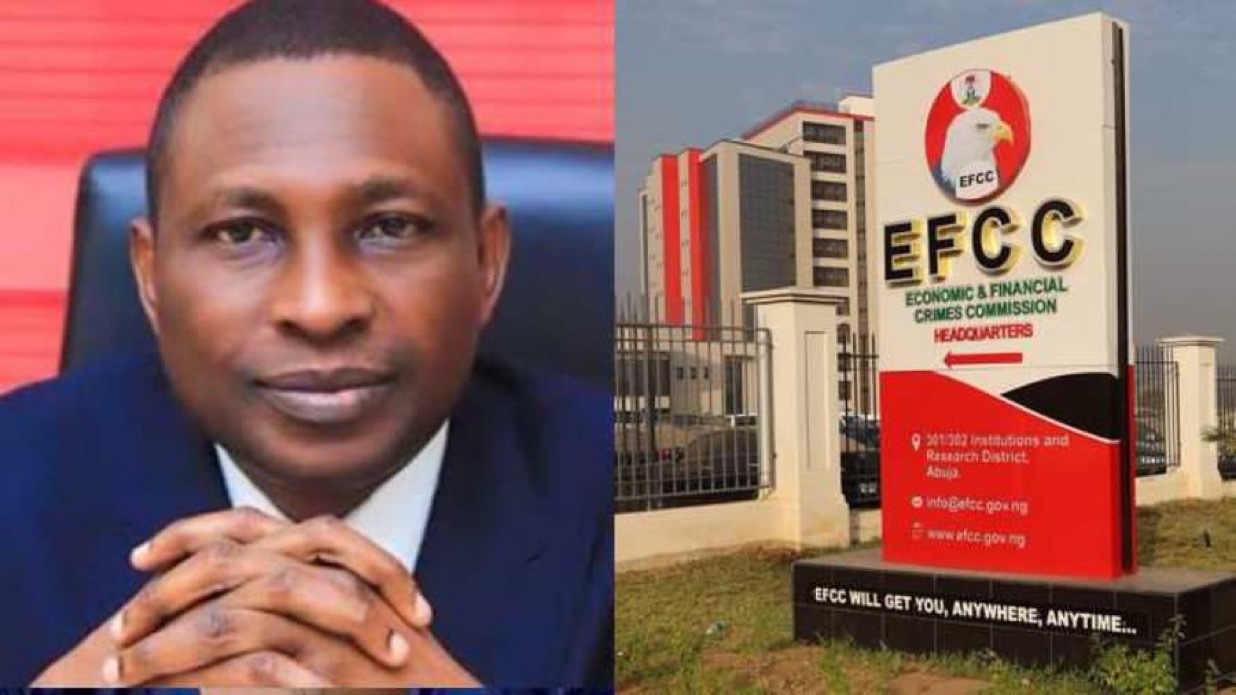
In a striking revelation that has sent ripples through Nigeria’s political landscape, the Chairman of the Economic and Financial Crimes Commission (EFCC), Ola Olukoyede, disclosed that 18 sitting governors are currently under active investigation for alleged corruption and financial misappropriation.
The revelation was made during a public sensitization campaign aimed at discouraging the abuse of the naira and raising awareness about anti-corruption efforts.
Olukoyede explained that the Commission is no longer waiting for political office holders to finish their tenures before commencing investigations. “As I speak to you, about 18 governors who are currently in office are under investigation.

When they leave office, we will move to the next stage,” he said, emphasizing a new proactive approach to tackling corruption at the highest levels of government.
During the same event, the EFCC Chairman recounted a troubling yet bizarre incident involving a former governor who had fled to the United Kingdom immediately after his tenure.
While celebrating his birthday at a UK hotel, he began spraying British pound notes—£50 and £10 denominations—which alarmed hotel staff. Mistaking his behavior for a mental health crisis, they called in emergency responders.
- Nigeria Evacuates First Ebola Patient to Switzerland as Health Minister Confirms Medical Flight
 ABUJA, Nigeria — Nigeria’s first confirmed Ebola patient in more…
- EFCC Raids Four Illegal Lithium Plants in Ogun, Arrests 14 Chinese Nationals and Nigerian
 The Economic and Financial Crimes Commission (EFCC) has arrested 15…
The man was detained briefly before being handed over to the EFCC after intervention from Nigerian officials. The case serves as a chilling reminder of the recklessness and impunity with which some public officials handle public resources.
Beyond high-profile investigations, Olukoyede used the platform to highlight the Commission’s renewed focus on preserving the dignity of the national currency. He stated that the naira represents Nigeria’s identity and sovereignty, and must be treated with respect. As part of this drive, the EFCC is working in collaboration with the Central Bank of Nigeria to clamp down on abuse of the naira, including the spraying and mutilation of notes at social events, as well as illegal foreign exchange dealings and peer-to-peer (P2P) trading platforms.
The EFCC’s expanded scope is already yielding results. According to Olukoyede, the agency has recovered ₦50 billion, which has been redirected to support the federal government’s educational and skill acquisition initiatives. Some of these recovered funds have been used to transform previously abandoned or corruptly acquired assets into public institutions, including a new university in Kaduna dedicated to applied sciences.
The Chairman also shed light on the scale of the Commission’s legal battles, revealing that over 5,000 fresh corruption cases were filed in the past year alone, with more than half involving politically exposed persons. He acknowledged the many hurdles that come with prosecuting such high-profile individuals. In some cases, legal technicalities and deliberate delays have kept corruption trials in limbo for years. One former governor’s trial, for instance, was held up by appeals and procedural objections for over a decade before finally going to court.
Olukoyede didn’t mince words about the dangers faced by anti-graft officials. He mentioned that some EFCC investigators have received death threats and have had to be relocated for their safety, underlining the enormous pressure and risk involved in going after powerful individuals.
The Commission is also leveraging media platforms to expand public education on anti-corruption. Its newly launched EFCC Radio 97.3 FM is one of the tools being used to engage the Nigerian public, especially the youth, on issues of accountability, civic responsibility, and the importance of integrity in both public and private sectors.
In all, Olukoyede’s disclosure signals a shift in Nigeria’s fight against corruption—from reactive to preventive. While many Nigerians remain skeptical, others see this bold step as a sign that the Commission is beginning to take the fight seriously, regardless of whose ox is gored. Whether these investigations will lead to full prosecutions and convictions remains to be seen, but for now, the message is clear: the era of sacred cows may finally be coming to an end.