


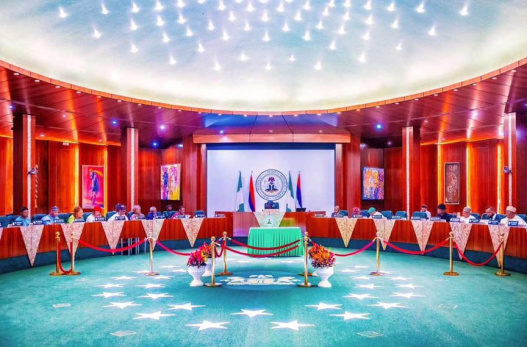
Nigeria’s push to expand its urban rail infrastructure received a significant boost as the Federal Executive Council (FEC) approved contracts for three major rail projects at its latest meeting, signaling renewed federal commitment to mass transit development across key cities.
The approved projects include the Lagos Green Line Rail Project (Phase 1A), the Kano Metro City Rail Project, and the Kaduna State Light Rail Project. Collectively, these initiatives are expected to improve urban mobility, reduce traffic congestion, and stimulate economic activity in their respective regions.
According to details from the council’s deliberations, the projects will be financed by the Ministry of Finance Incorporated (MOFI), acting on behalf of the Federal Government of Nigeria. This financing structure underscores the government’s strategy of leveraging institutional funding mechanisms to drive large-scale infrastructure delivery.
The Lagos Green Line Rail Project (Phase 1A) is designed to complement existing and ongoing rail systems within Lagos, Africa’s most populous city. The project is expected to enhance connectivity across densely populated corridors and support the state’s long-term urban transport master plan.
In northern Nigeria, the Kano Metro City Rail Project aims to introduce a modern intra-city rail network in Kano, one of the country’s largest commercial hubs. The metro system is anticipated to ease movement within the city while boosting trade and daily commuting efficiency.
Similarly, the Kaduna State Light Rail Project will provide a structured mass transit solution for residents of Kaduna. The light rail is expected to integrate with existing transport systems and support the state’s growing urban population.
The approvals come amid ongoing federal efforts to modernize Nigeria’s transport infrastructure, with rail development identified as a critical component for sustainable urbanization. Analysts note that successful execution will depend heavily on timely funding disbursement, transparent procurement processes, and effective project management.
While timelines and contractors for the projects are yet to be publicly detailed, the FEC’s approval marks a crucial administrative milestone, paving the way for implementation phases to commence.
- Nigeria’s First Ebola Patient Identified as Wife of Swiss Diplomat as Authorities Probe Source of Infection
- MURIC Seeks Police Probe into Alleged Killing of Man Inside Oyo Mosque
- NEC Approves 90-Day Economic Plan as Nigerians Await Relief From Rising Living Costs
- Dokubo-Asari Honours Sultan of Sokoto with Leadership Award, Seeks Royal Presence at December Coronation
- Umahi Faults Obi’s Presidential Ambition, Says Southeast Has Other Qualified Contenders