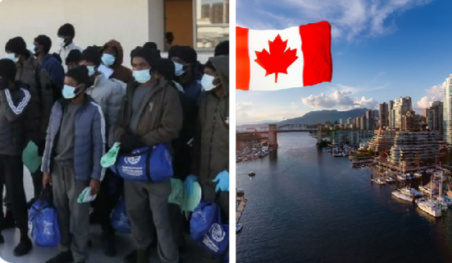




Ghana has repatriated 120 Nigerian nationals rescued during an intelligence-led crackdown on suspected cybercrime centres where authorities say victims were trafficked and compelled to participate in online fraud operations.
The development was announced on Tuesday, October 13, 2026, by Ghana’s Minister for Communication, Digital Technology and Innovations, Samuel Nartey George, following the operation targeting criminal networks operating in the country.
The exercise, known as Operation Cyberhunt, was coordinated by Ghana’s Cyber Security Authority (CSA) in collaboration with local security and intelligence agencies and international law enforcement partners, including counterparts in Nigeria, the United Kingdom and the United States.
According to the minister, the rescued Nigerians had been trafficked to Ghana and forced to work in cybercrime operations. Their return was facilitated with support from the Ghana Air Force and the Ministry of Defence, marking a significant development in efforts to address the alleged exploitation of foreign nationals by organised criminal networks.
The operation also resulted in the seizure of substantial electronic equipment suspected to be connected with the activities under investigation. Items recovered included 136 mobile phones, 130 laptops, internet connectivity devices and other digital equipment believed to be relevant to the investigation.
Security personnel also seized four vehicles, one of which was reportedly stolen from Canada. Investigators further recovered jewellery and 10 Nigerian passports during the searches, adding to the evidence being examined by the authorities.
While the 120 Nigerians have been returned home, the Ghanaian minister disclosed that eight other individuals were being processed for prosecution. However, authorities had not publicly provided comprehensive details of the allegations against them or disclosed when they would appear in court.
The operation has also drawn attention to the complex relationship between human trafficking and cybercrime. Criminal networks may lure people with promises of legitimate employment before subjecting them to coercion and exploiting them in fraudulent online activities. The circumstances surrounding each rescued individual, however, will require appropriate assessment by the relevant authorities.
Ghana’s Cyber Security Authority has maintained that the operation was led and coordinated by Ghanaian institutions, with international agencies contributing to the wider law enforcement effort. The clarification followed public accounts that raised questions about the respective roles of Ghanaian and foreign agencies in the crackdown.
The repatriation underscores the importance of cross-border cooperation in combating human trafficking and cyber-enabled fraud. It also highlights the need to distinguish between people allegedly forced into criminal operations and individuals suspected of organising or knowingly participating in those activities, as investigations and any subsequent legal proceedings continue.
- Nigeria’s First Ebola Patient Identified as Wife of Swiss Diplomat as Authorities Probe Source of Infection
 Nigeria’s latest Ebola case has been traced to a 42-year-old…
- MURIC Seeks Police Probe into Alleged Killing of Man Inside Oyo Mosque
 The Muslim Rights Concern (MURIC) has petitioned the police over…
Read More “MURIC Seeks Police Probe into Alleged Killing of Man Inside Oyo Mosque” »