




Iran’s football federation announced on Friday that it will boycott the December 5 FIFA World Cup draw in Washington, D.C., after the United States refused to grant visas to several members of the Iranian delegation.
The federation said it had informed FIFA that the visa decisions “have nothing to do with sport” and that, unless all invited members of the delegation are cleared to attend, Iran will not participate in the draw ceremony. The statement was broadcast on state television and repeated by several international outlets.

Iranian media and federation spokespeople named some of the officials affected, saying that federation president Mehdi Taj and head coach Amir Ghalenoei were among those who had been denied entry or faced incomplete visa issuance, though reports indicate some delegation members have received visas.
The draw, which will place the 48 qualified teams into groups for the expanded 2026 tournament hosted by the United States, Canada and Mexico, is scheduled for December 5 at the John F. Kennedy Center in Washington. Iran qualified for the 2026 finals and its absence from the draw would be a high-profile diplomatic and sporting snub.
- Nigeria’s First Ebola Patient Identified as Wife of Swiss Diplomat as Authorities Probe Source of Infection
 Nigeria’s latest Ebola case has been traced to a 42-year-old…
- MURIC Seeks Police Probe into Alleged Killing of Man Inside Oyo Mosque
 The Muslim Rights Concern (MURIC) has petitioned the police over…
Read More “MURIC Seeks Police Probe into Alleged Killing of Man Inside Oyo Mosque” »
U.S. authorities have previously said they would prioritise visa appointments for World Cup fans and make exceptions for athletes, coaches and officials attending major sporting events but the Iranian federation says this has not been applied to its delegation in full. The dispute follows tense US–Iran relations and recent moves tightening U.S. travel restrictions.
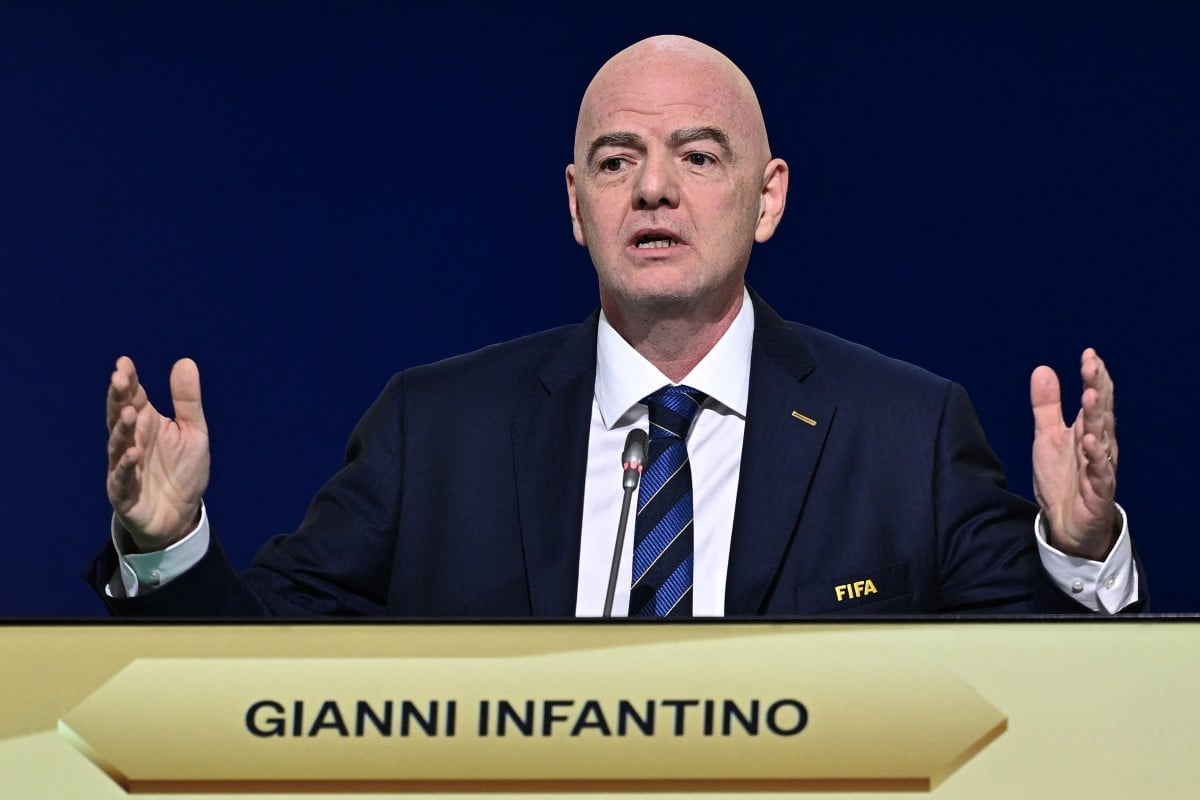
FIFA has not publicly announced a decision to change the venue or date of the draw. According to media reports, Iranian officials have asked FIFA president Gianni Infantino to intervene and press U.S. authorities to issue the remaining visas. It is unclear whether further diplomacy will resolve the matter before the ceremony.
Political analysts say the incident highlights the difficulty of staging global sporting events when host countries impose broad travel restrictions tied to national security or foreign policy. Critics argue sport should be insulated from geopolitics, while others say national security policies and visa laws remain prerogatives of sovereign states.
If Iran maintains the boycott, the actual draw could proceed without Iranian officials present; teams are drawn and groups finalised by FIFA even when some delegations are not physically represented. However, the optics of a qualified nation publicly shunning the event would likely escalate diplomatic exchanges and generate questions about the inclusiveness of the U.S.-hosted tournament.
Fans, commentators and regional football confederations will be watching closely over the coming days for statements from the U.S. State Department, FIFA, and Iran’s foreign ministry. Any last-minute resolution would require rapid diplomatic or administrative action to secure visas and avert a politically charged absence from the draw.
For now, Iran’s football federation says it will not attend the Washington draw unless all its delegation members are allowed entry, a stance that turns what is usually a ceremonial promotional event into a flashpoint in broader US–Iran relations.