


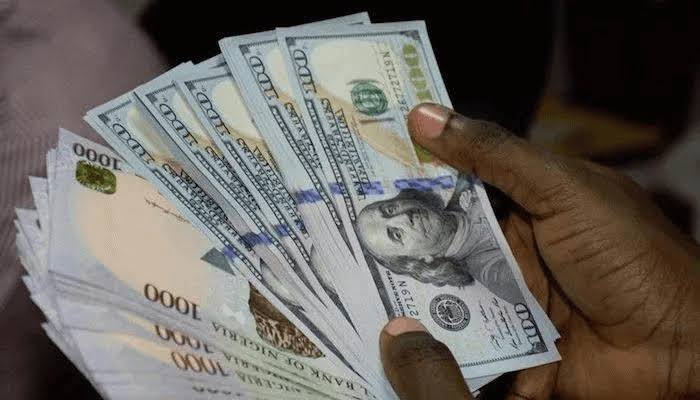





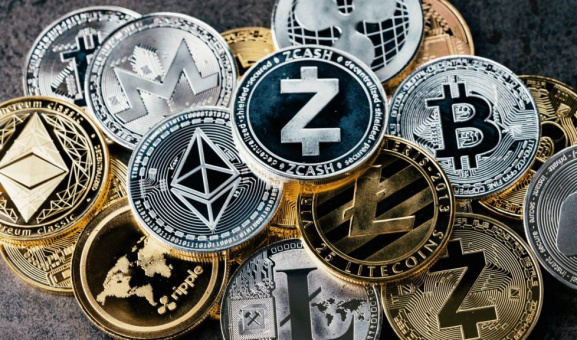
Nigeria has been ranked the world’s leading country in ownership of the two largest dollar-pegged stablecoins, Tether (USDT) and USD Coin (USDC), highlighting the growing role of digital dollar alternatives in the country’s financial ecosystem.
The ranking indicates that a significant portion of Nigerians who participate in the cryptocurrency market hold stablecoins, digital tokens designed to maintain a fixed value against the US dollar. These assets are increasingly used as a store of value and a means of transferring money without exposure to the sharp price swings commonly associated with cryptocurrencies such as Bitcoin.
According to findings from the Stablecoin Utility Report 2026, Nigeria recorded the highest ownership rates for both major stablecoins among surveyed countries. About 59 percent of crypto-active adults in Nigeria hold USDT, while 48 percent own USDC, far exceeding figures from other countries included in the study.
The figures place Nigeria well ahead of other markets such as Australia and India, where ownership rates remain significantly lower. Australia recorded about 34 percent USDT ownership and 29 percent USDC ownership, while India had roughly 30 percent USDT and 27 percent USDC adoption.
Analysts attribute Nigeria’s strong adoption of stablecoins to economic factors, particularly currency volatility and the desire by individuals and businesses to preserve value in dollar-linked assets. Stablecoins allow users to hold funds digitally in assets pegged to the US dollar without relying on traditional banking systems.
The increasing preference for stablecoins is also linked to payment efficiency and cross-border transactions. Digital tokens such as USDT and USDC enable faster international transfers and are often used in global crypto trading and remittance channels.
- Tottenham Stun Chelsea at Stamford Bridge as Palmer Sees Red and Maddison Suffers Fresh Injury Blow
 Tottenham Hotspur delivered a statement victory over London rivals Chelsea…
- AFCOM-HS: New Military Medical College Listed on JAMB Portal for 2026/2027 Admission
 The Armed Forces College of Medicine and Health Sciences (AFCOM-HS),…
Read More “AFCOM-HS: New Military Medical College Listed on JAMB Portal for 2026/2027 Admission” »
Nigeria’s leadership in stablecoin ownership aligns with broader trends in digital asset usage within the country. Previous studies have already placed Nigeria among the world’s top countries for cryptocurrency adoption and digital asset participation.
The global stablecoin market itself has grown rapidly, now valued at more than $300 billion, dominated by dollar-pegged tokens like USDT and USDC. These digital currencies aim to maintain a one-to-one value with the US dollar, making them attractive alternatives to volatile crypto assets.
Despite their popularity, economists and regulators have raised concerns about potential risks, including capital flight and increased dollarisation of developing economies. Central banks in several emerging markets worry that heavy reliance on dollar-pegged digital assets could weaken local monetary systems.
Nevertheless, the latest ranking underscores Nigeria’s rapidly evolving digital finance landscape, where stablecoins are increasingly viewed as practical tools for savings, trading, and cross-border payments in an environment shaped by currency pressures and expanding fintech adoption.


