


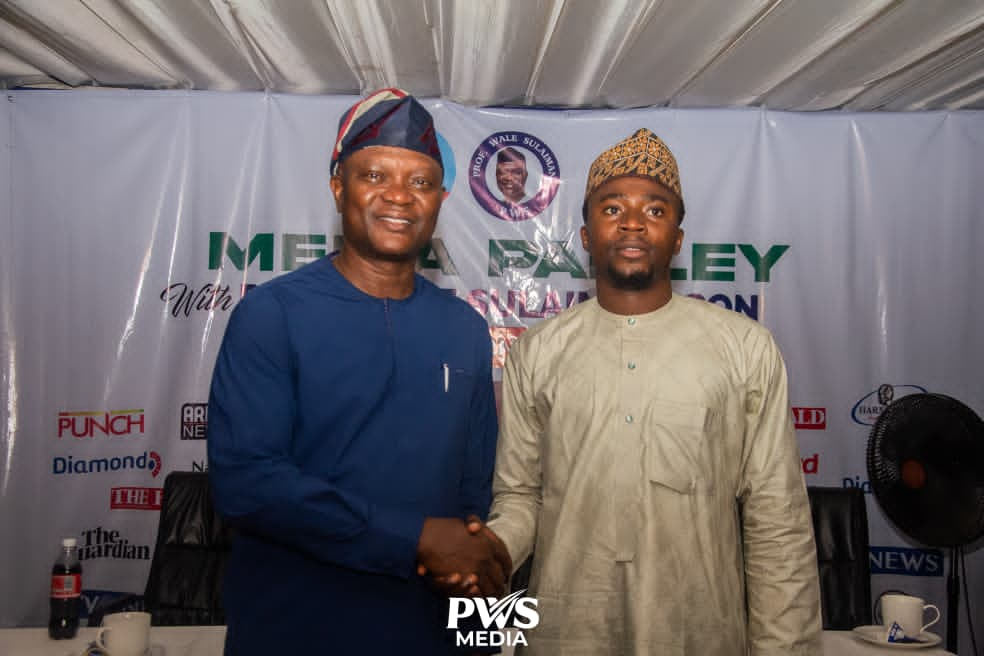
A growing wave of support for the 2027 governorship ambition of renowned neurosurgeon and technocrat, Wale Sulaiman, has emerged from the student community in Kwara State, with several student leaders publicly endorsing his potential candidacy for the state’s top political office.
The endorsement came from student groups and youth advocates who described Sulaiman as a candidate with the experience, vision, and preparation required to lead Kwara State into a new phase of development. The groups expressed confidence that his professional and administrative background positions him as a strong contender ahead of the 2027 governorship election.
A former student leader, Comrade Habeeb, who spoke on behalf of the supporters, said the call for Sulaiman to run was driven by a careful assessment of the leadership options currently being discussed in the state. According to him, no other potential candidate matches the level of preparedness and competence the professor brings to the political arena.
Habeeb noted that students across tertiary institutions in Kwara and beyond had been monitoring the evolving political conversations around the next governorship race and concluded that Sulaiman’s track record in leadership and public service distinguishes him among possible aspirants.
Supporters highlighted Sulaiman’s reputation as a globally respected neurosurgeon and administrator, noting that his professional achievements in healthcare and institutional management demonstrate the capacity to manage complex systems and drive development-oriented governance.
They also pointed to his involvement in humanitarian and community initiatives, including education support, medical outreach, and empowerment programmes across Kwara communities, describing such efforts as evidence of his longstanding commitment to social development.
- Nigeria’s First Ebola Patient Identified as Wife of Swiss Diplomat as Authorities Probe Source of Infection
 Nigeria’s latest Ebola case has been traced to a 42-year-old…
- MURIC Seeks Police Probe into Alleged Killing of Man Inside Oyo Mosque
 The Muslim Rights Concern (MURIC) has petitioned the police over…
Read More “MURIC Seeks Police Probe into Alleged Killing of Man Inside Oyo Mosque” »
The student advocates further argued that the state requires leadership anchored on competence, innovation, and strategic thinking rather than political rhetoric, adding that Sulaiman’s exposure to international institutions and governance structures could bring new ideas into state administration.
Observers note that calls for the professor to join the race have increasingly come from different segments of the population, particularly youths and professionals who see him as a technocratic figure capable of sustaining development momentum in the state.
The student leaders therefore urged him to formally declare his interest in the 2027 governorship contest when the political season fully opens, assuring that young people across Kwara would play an active role in mobilising support.
Political discussions around the 2027 governorship race in Kwara are gradually gaining traction, with endorsements and consultations expected to intensify as aspirants and political groups position themselves ahead of party primaries and the eventual election cycle.