




The Sokoto State Government has confirmed the death of 33 children following an outbreak of cerebrospinal meningitis that has spread across several communities in the state, raising fresh public health concerns in Northern Nigeria.
The state Commissioner for Health, Dr. Faruk Abubakar-Wurno, disclosed the development during an advocacy meeting on the safety and antimicrobial resistance of mass administration of Azithromycin in children and maternal and neonatal tetanus elimination. The meeting was organised by the Sokoto State Primary Healthcare Development Agency in collaboration with partners including Sightsavers and the Chigari Foundation.
According to the commissioner, the outbreak resurfaced about a month ago and has so far affected at least eight to nine local government areas, with more than 250 suspected infections recorded. Sabon Birni Local Government Area was reported to have the highest number of suspected cases, followed by Wamakko and Shagari.
Health authorities said many of the victims died before reaching hospitals, largely due to delayed medical attention and misconceptions surrounding the illness. Officials noted that some residents initially attributed the symptoms to spiritual causes rather than seeking urgent medical treatment.
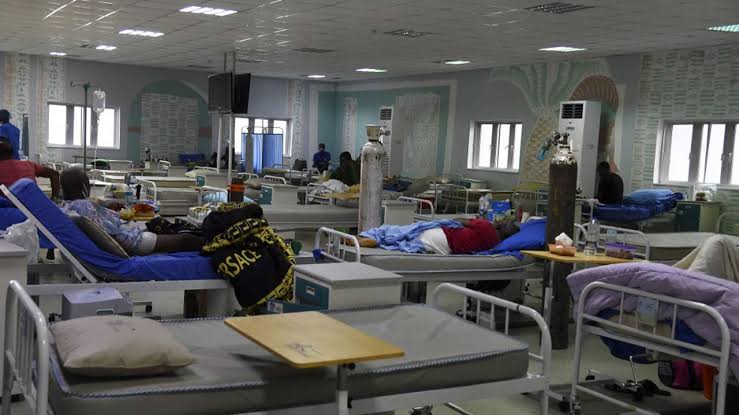
To contain the outbreak, the state government, with support from Médecins Sans Frontières (Doctors Without Borders), has established isolation centres in Dogondaji and Kurawa communities located in Tambuwal and Sabon Birni local government areas. Authorities said patients brought to health facilities early have responded positively to treatment.
The commissioner explained that cerebrospinal meningitis is a serious infection affecting the membranes surrounding the brain and spinal cord. He added that the disease spreads more easily in overcrowded and poorly ventilated environments, especially during periods of extreme heat and dry weather conditions common in northern Nigeria. Children between the ages of one and 15 were identified as the most vulnerable group.
- Troops, DSS Rescue Six Kidnap Victims in Kogi, Including Naval Officer
 Troops of Operation Whirl Stroke (OPWS), working alongside operatives of…
Read More “Troops, DSS Rescue Six Kidnap Victims in Kogi, Including Naval Officer” »
- Dangote Refinery’s N2.15 Trillion IPO Closes Today as Investors Make Final Push
 LAGOS, Nigeria — The highly anticipated initial public offering (IPO)…
Read More “Dangote Refinery’s N2.15 Trillion IPO Closes Today as Investors Make Final Push” »
Residents in some affected communities had earlier raised alarm over increasing deaths among children and teenagers, particularly in Kurawa village of Sabon Birni LGA, where local health workers reportedly became overwhelmed by the growing number of patients. Symptoms reported included high fever, severe neck pain, vomiting, diarrhoea and unconsciousness.
The Sokoto State Government said it has intensified surveillance, laboratory testing, public awareness campaigns and the distribution of medications in a bid to prevent further spread of the disease.