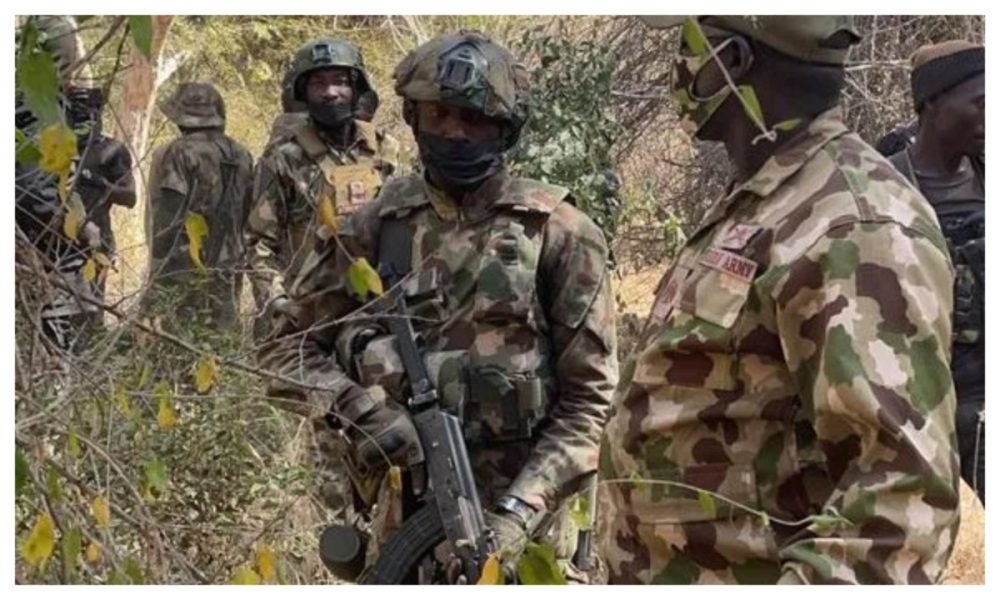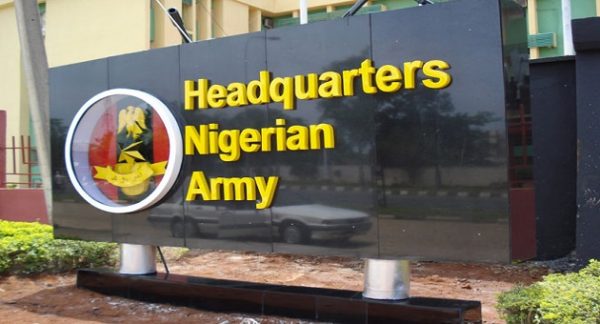


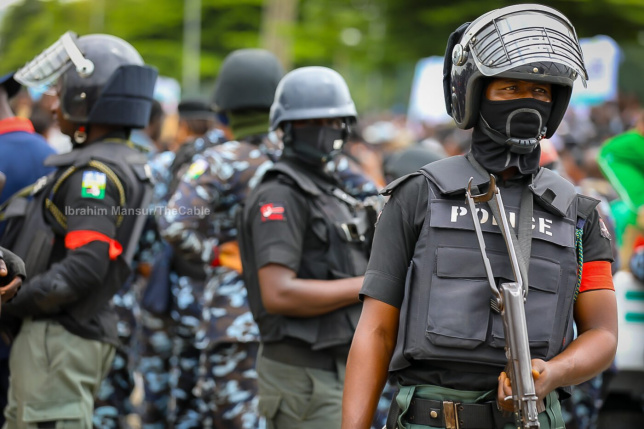



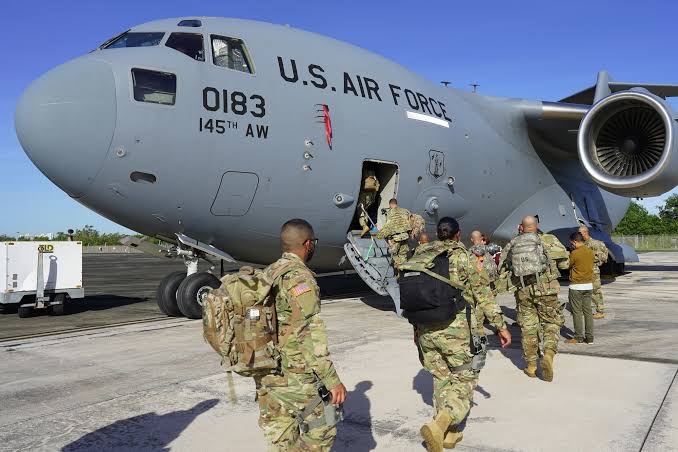
The United States is set to deploy approximately 200 military personnel to Nigeria in a move aimed at strengthening the country’s capacity to combat Islamist militant groups. The deployment marks a significant step in deepening security cooperation between Washington and Abuja amid ongoing insurgency threats in parts of northern Nigeria.
According to officials from both countries, the American troops will focus strictly on training, advisory, and technical support roles. They are not expected to participate in direct combat operations. Instead, their mission will center on enhancing the operational effectiveness of Nigerian armed forces engaged in counter-insurgency campaigns.
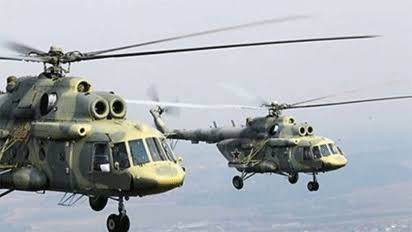
The additional personnel will support existing U.S. military teams already working with Nigerian forces. Their responsibilities will include improving tactical coordination, intelligence sharing, mission planning, and the integration of ground and air operations in the fight against extremist groups.
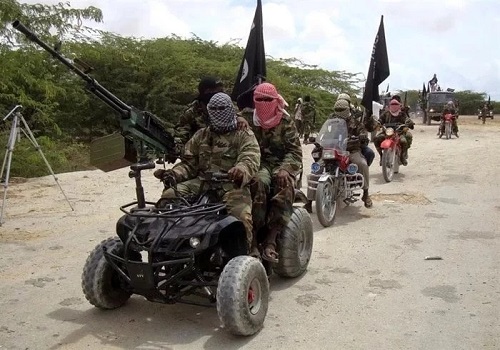
Nigeria has battled insurgency for nearly two decades, particularly from Boko Haram and its splinter faction, the Islamic State West Africa Province (ISWAP). These groups have carried out attacks on military formations, rural communities, and civilian infrastructure, contributing to widespread displacement and humanitarian challenges in the region.
Security analysts note that while Nigeria has recorded military successes in recent years, militant cells remain active and adaptive. The renewed U.S. support is expected to bolster Nigeria’s counter-terrorism capabilities through advanced training, surveillance coordination, and improved operational strategies.
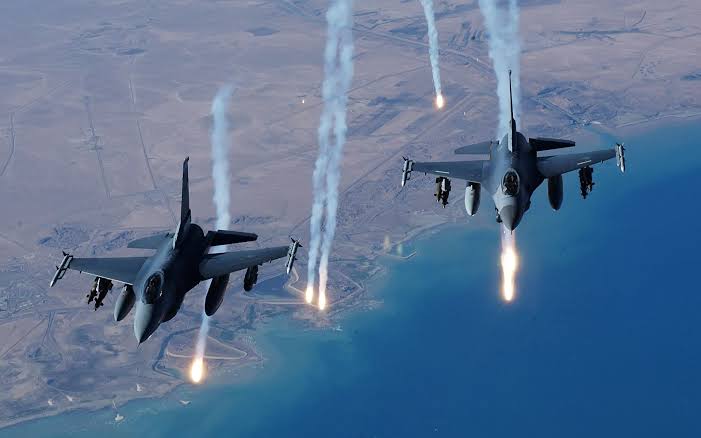
The deployment follows increased security collaboration between both nations, including intelligence cooperation and joint strategic engagements. In late 2025, U.S. forces conducted coordinated actions targeting militant positions in Nigeria, signaling a shift toward more visible support for the country’s security efforts.
- Nigeria’s First Ebola Patient Identified as Wife of Swiss Diplomat as Authorities Probe Source of Infection
 Nigeria’s latest Ebola case has been traced to a 42-year-old…
- MURIC Seeks Police Probe into Alleged Killing of Man Inside Oyo Mosque
 The Muslim Rights Concern (MURIC) has petitioned the police over…
Read More “MURIC Seeks Police Probe into Alleged Killing of Man Inside Oyo Mosque” »
Nigerian defence authorities have emphasized that the decision to receive additional U.S. troops was made to strengthen capacity building rather than outsource security operations. Officials reiterated that Nigerian forces will remain fully in charge of combat missions and national security decisions.
U.S. Africa Command has described Nigeria as a critical security partner in West Africa, noting that instability in the region has broader implications for regional and global security. The presence of extremist networks across the Sahel has increased international concern over cross-border threats and the spread of violent militancy.
The expanded military cooperation also reflects Washington’s strategic interest in supporting African partners to address security challenges internally. By focusing on training and advisory roles, U.S. officials maintain that the mission aligns with long-standing defense cooperation agreements between both countries.
As preparations for the deployment continue, attention will be on how the enhanced training support translates into measurable gains on the battlefield. For Nigeria, the collaboration represents another step in its ongoing effort to restore stability, protect vulnerable communities, and dismantle militant networks operating within its borders.