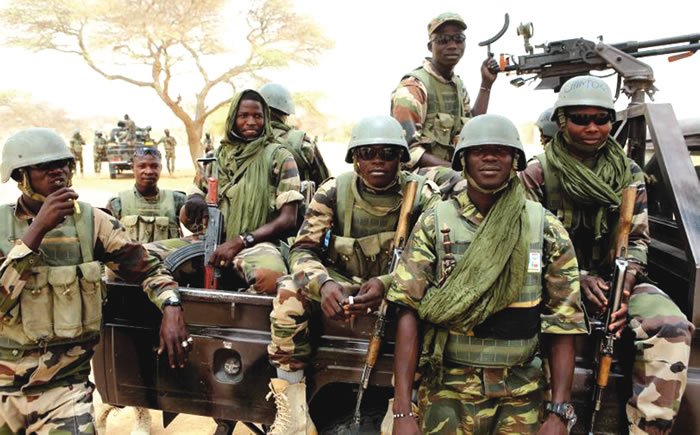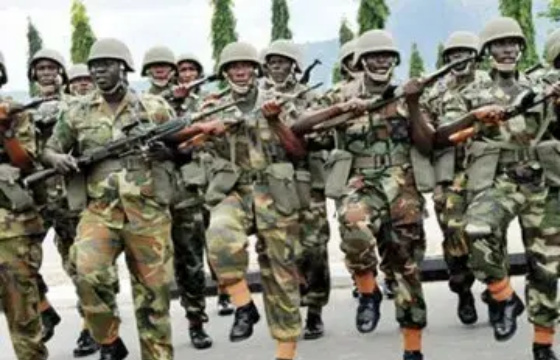






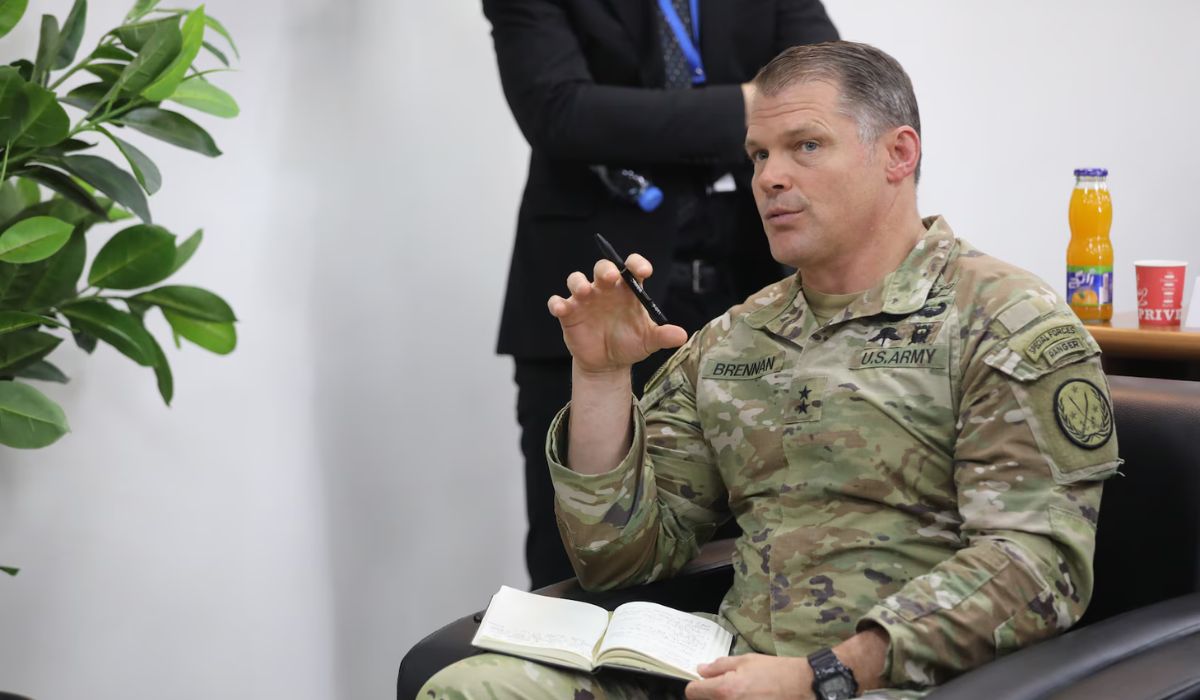
The United States military is dramatically stepping up its security cooperation with Nigeria in the battle against militants linked to the Islamic State, U.S. Army Lieutenant General John Brennan has confirmed. Brennan, Deputy Commander of U.S. Africa Command (AFRICOM), said Washington is increasing both material deliveries and intelligence sharing to Nigerian forces engaged in counter-terrorism operations across the country.
Speaking on the sidelines of a high-level U.S.–Nigeria security meeting in Abuja last week, Brennan painted a picture of an evolving partnership that reflects a broader American strategy to confront the spread of jihadist groups from the Sahel into West Africa. The general said the U.S. approach has become more forceful, aiming to work closely with partners “to target, kinetically, the threats, mainly ISIS.”
The renewed cooperation follows a historic series of U.S. airstrikes on December 25, 2025, when American forces struck Islamic State positions in northwest Nigeria’s Sokoto State, a move that marked the first U.S. kinetic action inside Nigeria in years. Those strikes were conducted with Nigerian consent and targeted militant staging areas used by fighters crossing from neighboring countries.
Brennan emphasized that the threat is part of a connected regional security challenge stretching from East Africa in Somalia to West Africa in Nigeria, underscoring that jihadist networks are increasingly fluid in their operations and reach. “From Somalia to Nigeria, the problem set is connected,” he told reporters.
A key element of the partnership is expanded intelligence, surveillance, and reconnaissance support, including shared data and airborne monitoring that boosts Nigerian capabilities. Analysts have reported increased U.S. intelligence flights over Nigeria in recent months, aimed at sharpening operational accuracy and situational awareness on the ground.
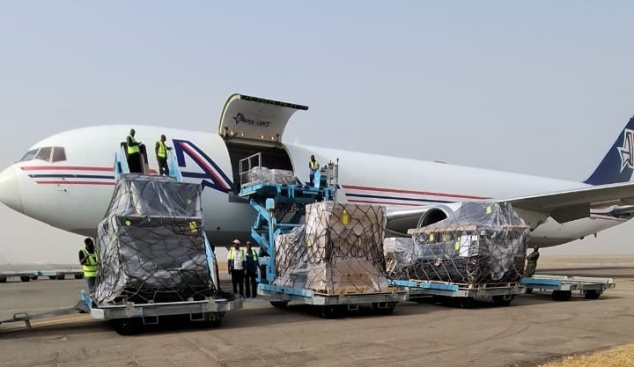
The United States is also moving forward with the delivery of military equipment that Nigeria purchased over the past five years, including drones, helicopters, and spare parts, after years of delays. Abuja officials have described these deliveries as tangible evidence that the bilateral security relationship is producing results.
- Bournemouth Humiliate Manchester United 3-0 at Old Trafford as Carrick Faces Mounting Pressure
 Bournemouth delivered another painful blow to Manchester United on Sunday,…
- Tragedy in Kogi: Police Corporal Allegedly Kills Female Colleague, Takes Own Life After Reported Relationship Crisis
 A tragic shooting incident involving two serving police officers has…
In Abuja, the launch of the U.S.–Nigeria Joint Working Group was heralded as a major step toward institutionalizing this coordination. The working group will serve as a permanent mechanism for intelligence sharing, strategic planning, and coordinated action against extremist networks across Nigeria’s vast and varied terrain.
Nigerian authorities have welcomed the partnership. National Security Adviser Nuhu Ribadu and other senior officials said enhanced cooperation has already translated into operational gains, improving target identification and joint planning against Islamic State West Africa Province (ISWAP) and other armed groups.
However, the U.S.–Nigeria alliance has not been without its diplomatic complexities. Washington’s prior designation of Nigeria as a “Country of Particular Concern” over internal violence stirred tensions, but recent talks have sought to shift the narrative toward mutual security interests and civilian protection.
As the Islamic State and its affiliates continue to evolve their tactics and expand their reach, this deepening military collaboration shows how global powers and African states are redefining partnerships to meet complex security threats. Both sides say the cooperation respects Nigeria’s sovereignty while targeting militants that threaten regional stability and civilian safety.