
Electricity distribution companies (DisCos) across Nigeria have openly rejected the Federal Government’s declaration that prepaid electricity meters must be provided to consumers free of charge, warning that the policy, as announced, lacks clarity on funding and could destabilise an already fragile power sector.
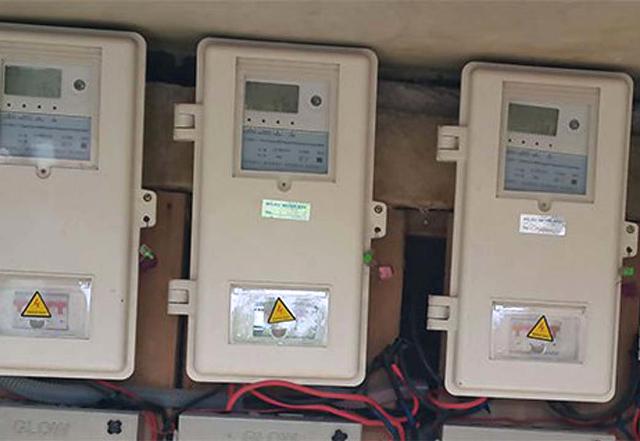
The controversy followed a recent statement by the Minister of Power, Adebayo Adelabu, who announced that meters being procured under the World Bank–supported Distribution Sector Recovery Programme would be installed for electricity consumers at no cost. The minister also warned that it would be illegal for any DisCo or installer to demand payment from customers for meters or installation.
DisCos, however, insist that while the goal of universal metering is laudable, the government’s pronouncement does not address the core issue of who will bear the financial burden. Industry operators argue that meters are not free commodities, stressing that procurement, logistics, installation and maintenance all come with significant costs.
Senior officials within the distribution companies have described the “free meter” declaration as premature and largely political, noting that key stakeholders such as DisCos, meter asset providers and installers were not adequately consulted before the announcement was made public.
According to the operators, existing arrangements in the power sector already assume that the cost of meters would be recovered over time, either through structured repayment schemes or regulated tariffs. They warn that forcing DisCos to absorb these costs without clear reimbursement mechanisms could worsen their liquidity challenges.
Nigeria’s power sector has struggled for years with a massive metering gap, leaving millions of consumers unmetered and subjected to estimated billing. Regulators have repeatedly acknowledged that the lack of meters undermines consumer trust and fuels disputes between electricity users and service providers.
- Nigeria’s First Ebola Patient Identified as Wife of Swiss Diplomat as Authorities Probe Source of Infection
 Nigeria’s latest Ebola case has been traced to a 42-year-old…
- MURIC Seeks Police Probe into Alleged Killing of Man Inside Oyo Mosque
 The Muslim Rights Concern (MURIC) has petitioned the police over…
Read More “MURIC Seeks Police Probe into Alleged Killing of Man Inside Oyo Mosque” »
While the Federal Government maintains that the free meter initiative is designed to eliminate estimated billing and protect consumers from exploitation, DisCos argue that unrealistic promises could raise false expectations among the public, especially given that current meter supplies are insufficient to meet nationwide demand at once.
Meter installers have also expressed concern, noting that installation is a specialised service that requires payment. DisCos say the government has yet to clarify whether installers will be paid directly by the state, through international funding, or via a new regulatory framework.
Despite the resistance, the government has doubled down on its stance, urging Nigerians to report any DisCo or installer that demands payment for meters and assuring the public that offenders will face sanctions.
As tensions rise, industry observers say the success of the free meter policy will depend on transparent funding structures, stakeholder engagement and regulatory clarity. Without these, analysts warn, the dispute between the Federal Government and DisCos could further complicate efforts to reform Nigeria’s electricity sector and deliver reliable power to consumers.