
The United States has commended the Nigerian government’s response to recent attacks in the country’s Middle Belt, while calling for sustained security efforts to protect communities in Barkin Ladi Local Government Area of Plateau State.
The U.S. Department of State’s Bureau of African Affairs made the position known in a post on X on Tuesday, September 29, 2026, amid renewed violence and heightened security concerns across parts of Plateau State.
“The United States commends Nigeria’s strong response to the latest attacks from Fulani militant groups,” the bureau stated, adding that Washington would continue working with the Nigerian government to protect Christians in the Middle Belt.
The American government also specifically urged Nigerian authorities to maintain the momentum of their security response and strengthen protection for residents of Barkin Ladi, one of the areas affected by the recent wave of violence.
The statement comes against the backdrop of a series of attacks reported in Plateau State in recent weeks. On September 27, gunmen attacked a mining site in Lajam Marit village in the Ropp district of Barkin Ladi, with reports indicating that six people were killed and two others injured.
Earlier in September, violence was also reported in Barkin Ladi and neighbouring local government areas. The Federal Ministry of Information and National Orientation said the Inspector-General of Police, Olatunji Disu, visited Plateau following attacks that included the killing of nine passengers on a Jos-bound commercial bus at Dungus Junction in Jos South and an attack on Vodni community in Mangu.
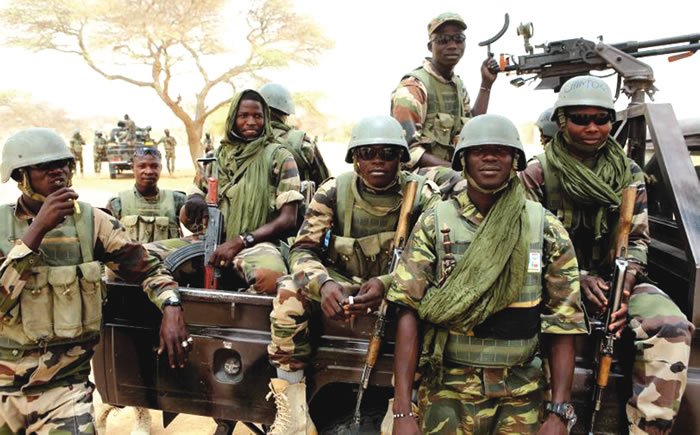
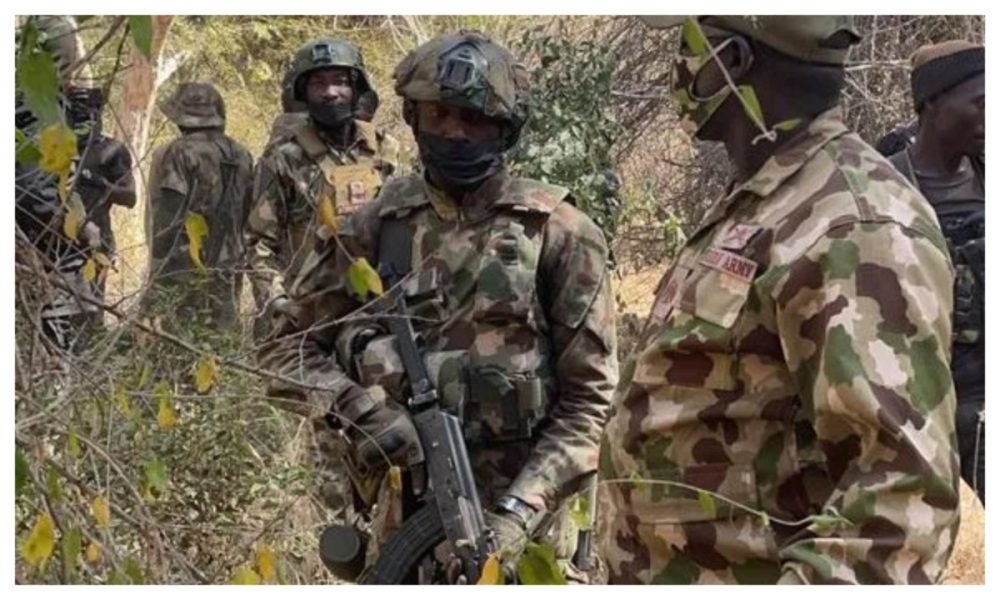
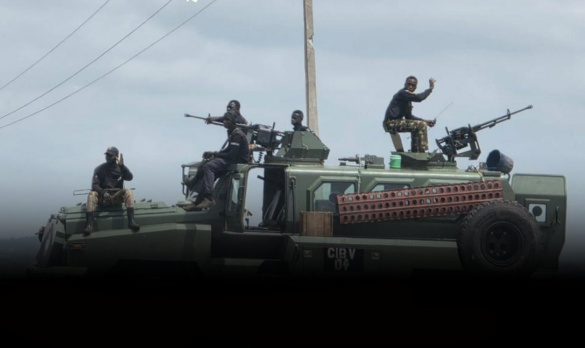
The renewed attacks have prompted additional security measures and deployments. The Nigerian Army recently deployed 178 personnel from the 236 Tank Battalion to reinforce operations under Sector 8 of Operation Enduring Peace in Mangu Local Government Area, amid wider security concerns in the state.
Plateau-based legal practitioners have, however, continued to raise concerns about the effectiveness of existing security arrangements. The four branches of the Nigerian Bar Association in the state recently alleged that attacks had persisted in several communities despite curfews imposed by the state government.
The U.S. intervention also follows Washington’s broader engagement with Nigeria over insecurity and religious freedom. In August, the United States and Nigeria held a second session of their Joint Working Group, with discussions covering protection of Christian communities in the Middle Belt, accountability for perpetrators of violence, security cooperation and the resettlement of internally displaced persons.
For communities in Barkin Ladi and other parts of Plateau facing recurrent attacks, the latest U.S. statement places renewed international attention on the Nigerian government’s responsibility to protect civilians. Washington’s call is for the security response to be sustained, with particular emphasis on safeguarding communities that remain exposed to violence.
- Troops, DSS Rescue Six Kidnap Victims in Kogi, Including Naval Officer
 Troops of Operation Whirl Stroke (OPWS), working alongside operatives of…
Read More “Troops, DSS Rescue Six Kidnap Victims in Kogi, Including Naval Officer” »
- Dangote Refinery’s N2.15 Trillion IPO Closes Today as Investors Make Final Push
 LAGOS, Nigeria — The highly anticipated initial public offering (IPO)…
Read More “Dangote Refinery’s N2.15 Trillion IPO Closes Today as Investors Make Final Push” »