




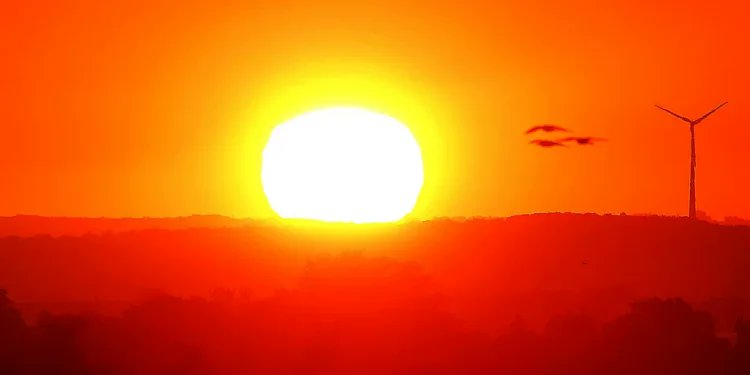
The World Meteorological Organization (WMO) has confirmed that the period between 2015 and 2025 represents the hottest sequence of years ever recorded in modern climate history, underscoring the accelerating pace of global warming.
According to the UN weather agency’s latest climate assessment, each of the 11 years within that period individually ranks among the warmest since global temperature records began in the mid-19th century.
The report highlights that the last three years, 2023, 2024, and 2025 stand out as the three hottest years on record across multiple global datasets. This unprecedented streak reflects a sustained warming trend driven largely by human-induced climate change.
In its analysis, the WMO noted that the global average surface temperature in 2025 was approximately 1.44°C above pre-industrial levels, placing it among the top three warmest years ever recorded. The agency explained that even the cooling effects of La Niña conditions during the year were insufficient to offset the long-term warming caused by greenhouse gas emissions.
Beyond surface temperatures, the report also points to worsening climate indicators worldwide. Ocean heat content has reached record highs, with more than 90 percent of excess heat trapped by greenhouse gases being absorbed by the oceans. This has contributed to rising sea levels, melting ice sheets, and increasingly extreme weather events across the globe.
Scientists warn that the persistent rise in global temperatures is closely linked to human activities, particularly the burning of fossil fuels and deforestation. These activities continue to increase concentrations of heat-trapping gases in the atmosphere, intensifying the Earth’s energy imbalance and climate instability.
- Nigeria’s First Ebola Patient Identified as Wife of Swiss Diplomat as Authorities Probe Source of Infection
 Nigeria’s latest Ebola case has been traced to a 42-year-old…
- MURIC Seeks Police Probe into Alleged Killing of Man Inside Oyo Mosque
 The Muslim Rights Concern (MURIC) has petitioned the police over…
Read More “MURIC Seeks Police Probe into Alleged Killing of Man Inside Oyo Mosque” »
The WMO further emphasized that the decade-long heat trend signals a deepening climate crisis, with growing impacts on food security, public health, and ecosystems worldwide. Extreme weather events, including heatwaves, heavy rainfall, and stronger storms, have become more frequent and severe as a result.
The findings reinforce urgent calls from global leaders and scientists for accelerated climate action, including emissions reduction and stronger adaptation strategies, to prevent further environmental and socio-economic damage.
Overall, the WMO’s confirmation of 2015–2025 as the hottest years on record serves as a stark warning that the planet is entering a period of sustained and potentially irreversible warming unless decisive global measures are taken.