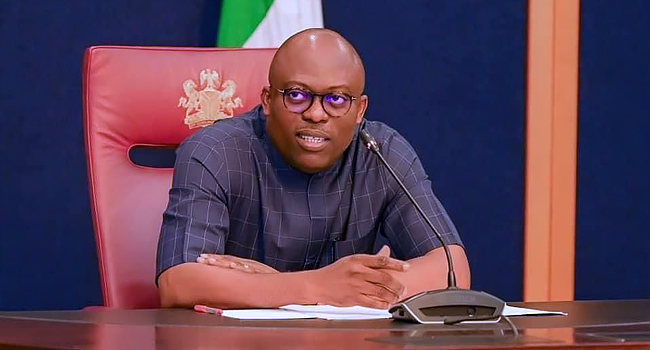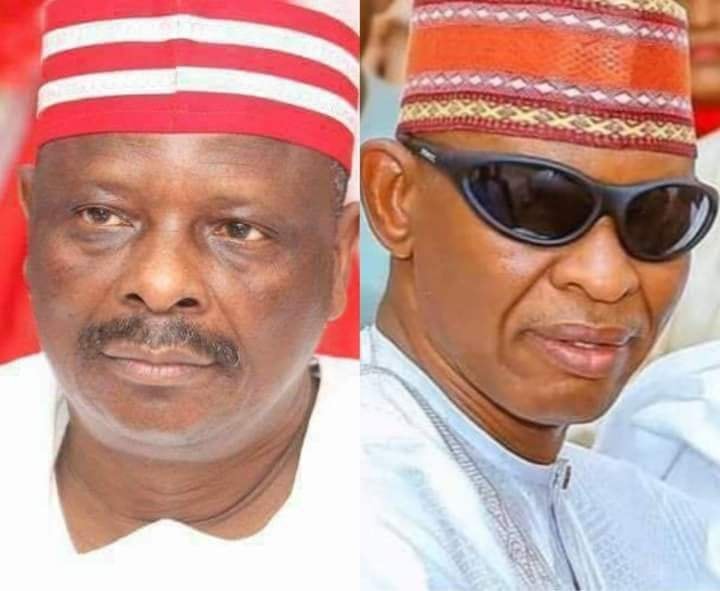


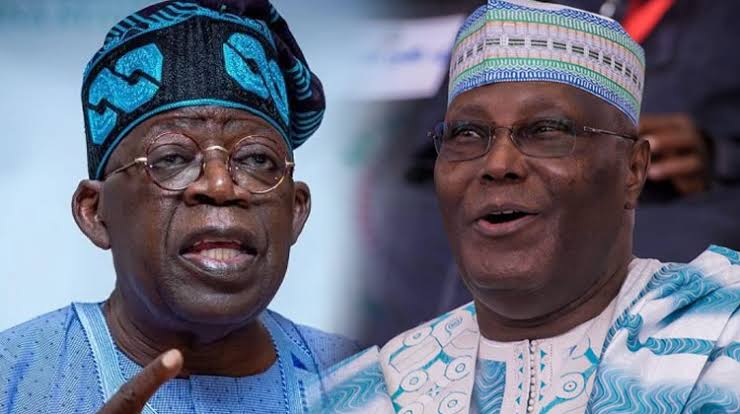


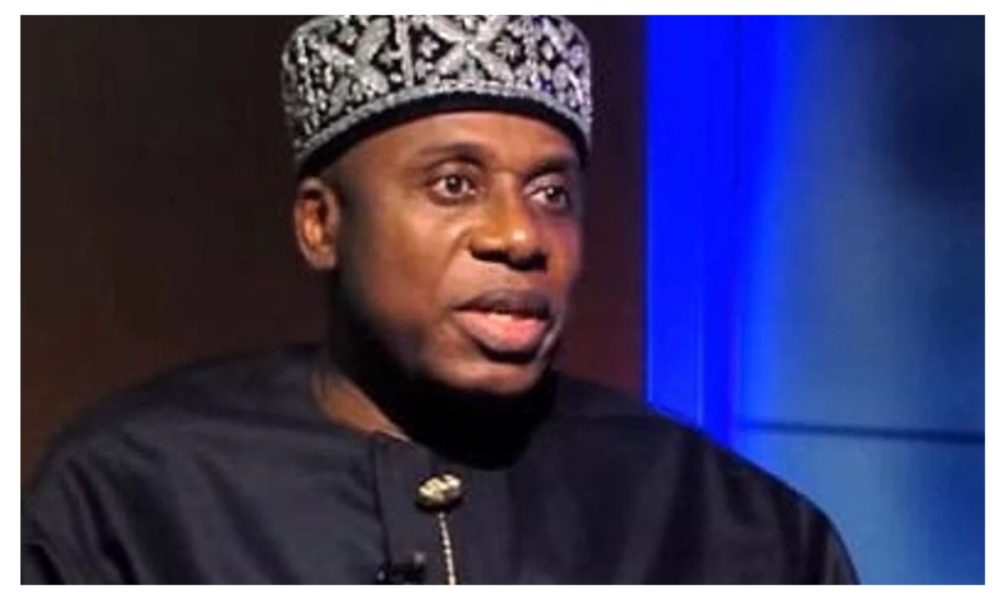
Former Nigerian Minister of Transportation and chieftain of the African Democratic Congress (ADC), Rotimi Amaechi, has raised concerns over the viability of a northern presidential candidate gaining broad support from southern voters ahead of the 2027 general election.
Amaechi’s comments reflect ongoing debate in Nigerian political circles about power rotation between the country’s north and south — an unwritten but politically influential principle in the nation’s democratic landscape. Analysts say this unwritten arrangement often affects voter sentiment and campaign strategy, especially when a region appears poised to produce a consecutive presidential candidate.
Speaking in Abuja, Amaechi warned that if the ADC settles on a northern nominee, it might find it “hard to sell” such a candidacy to southern electorates, who could be wary of prolonged northern dominance of the presidency. His remarks are tied to broader concerns that failing to honour informal rotational expectations could alienate key voting blocs across the country.
While stressing that merit should ultimately determine leadership, Amaechi acknowledged political realities, noting that perceptions of fairness in power transfer are deeply embedded in Nigerian public discourse. He said that loyalty to the rotation norm can help parties build trust across regions, even as he insisted regional identity should not be the sole factor in choosing national leaders.
The former Rivers State governor’s remarks come as the ADC — an increasingly prominent opposition platform — navigates internal negotiations about its 2027 ticket. The debate has attracted attention as political heavyweights, including former Vice President Atiku Abubakar, have signalled interest in the presidency under the ADC banner, intensifying discussions around zoning, regional balance, and voter appeal.
In related political developments, the North-Central forum of the ruling All Progressives Congress (APC) also weighed in on internal party dynamics, underscoring how primary election arrangements could shape broader electoral strategies ahead of the 2027 polls.
Amaechi’s intervention highlights ongoing tensions within Nigeria’s multi-party system — where power rotation, ethno-regional sentiments, and coalition politics remain central to determining electoral outcomes.
- Bournemouth Humiliate Manchester United 3-0 at Old Trafford as Carrick Faces Mounting Pressure
 Bournemouth delivered another painful blow to Manchester United on Sunday,…
- Tragedy in Kogi: Police Corporal Allegedly Kills Female Colleague, Takes Own Life After Reported Relationship Crisis
 A tragic shooting incident involving two serving police officers has…