







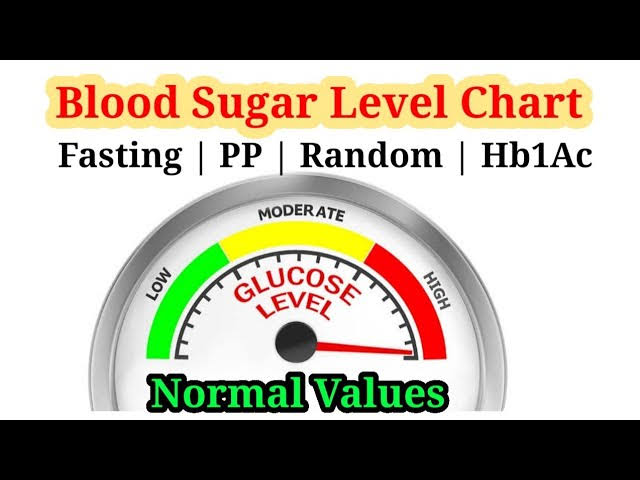
High blood sugar is the street term for the medical condition hyperglycemia which is a symptom of diabetes mellitus.
It is a precursor to diabetes, a disease which can be life-limiting.
When you eat sugar or any food high on the Glycemic Index (GI), the blood sugar content quickly rise. This get to its peak within 45 minutes of eating.
However in a normal person, the blood sugar begins to decrease and within 2 hours, it’s back to normal levels.
- Ebola: Diplomat Diagnosed With Virus Develops Multi-Organ Failure as Nigeria Ramps Up Containment Efforts
 ABUJA, Nigeria — Concerns over the spread of Ebola virus…
- Ebola Confirmed in Nigeria: FG Tracks 44 Contacts, Nigerians Urged to Exercise CautionABUJA, Nigeria — Nigeria’s battle against the Ebola virus has…
Read More “Ebola Confirmed in Nigeria: FG Tracks 44 Contacts, Nigerians Urged to Exercise Caution” »
Eating foods that are low on the GI, gets the blood sugar to rise and stay level for an extended time before declining again.
In diabetic persons, the blood sugar levels cannot be managed by the body and do not lower automatically by the body mechanism.
The steadily high blood sugar levels place big impacts on the organs and cells of the body.
That is why most diabetics have to use insulin. A functionally normal body produces enough insulin to control blood sugar levels but diabetic’s pancreas cannot produce enough insulin.
So, people with diabetes must supplement the insulin supply in their bodies.
Another way to manage and minimize blood sugar levels is to eat foods that are low on the glycemic index. That way the body’s blood sugar levels are not constantly in acrobatics of ups and downs.
Therefore, most diabetics avoid sugary drinks and foods rich in bad carbohydrates.
Ironically, studies have revealed that many people have high blood sugar levels but aren’t even aware of it.
Their conditions are even more critical since if they aren’t aware of their condition, they won’t change their eating habits and seek help.
A simple blood test can determine this. It may not yet be diabetes, and dietary changes and exercise will be enough to ameliorate the condition.
Now here are telltale Signs commonly found in persons with high blood sugar levels and If you display some of these signs, you may have high blood sugar.
Constant feeling of Tiredness
Extreme and constant feeling of tiredness can be a symptom of high blood sugar levels.
When you have too much glucose (sugar) in your blood, you will feel tired. Blood that contains a lot of sugar moves more slowly than blood with normal sugar levels. The circulation of blood around the body slows down. When this happens, organs and cells are not getting the oxygen that they need from the blood. This is what causes them long-term harm if high blood sugar levels are not treated.
The fatigue brought about by high blood sugar levels is also related to inflammation. The high sugar levels cause inflammation of the blood vessels. Research shows that when blood vessels are inflamed, monocytes are released into the brain. Monocytes are immune cells. They cause fatigue.
Blurry Sights
If you experience blurry Sights, it could be because you have high blood sugar levels.
High blood sugar levels that do not decrease cause the eye’s lens to swell up. This change to the lens affects your ability to see and if left untreated, the permanent swelling of the lens can do permanent damage and affect your eyesight.
Diabetic retinopathy describes the eye conditions caused by diabetes. The two most common are macular edema and proliferative retinopathy.
Prolonged Dull Headaches
Prolonged and dull headaches are common among people with high blood sugar. They are not necessarily migraine or severe in nature.
They take several days to develop and can last for a while. This is one of the earliest signs that something is wrong with your blood sugar levels.
The prolonged dull headache is a warning that your blood sugar levels are out of sync. The more your blood sugar levels fluctuate, the more frequently you’ll experience headaches. If the fluctuations are extreme, the intensity of a headache may worsen.
Increased Urination
If you need to urinate more often than usual, especially when fluid intake has not been increased than usually done, this is a common sign of high blood sugar levels.
This symptom of high blood sugar levels is called polyuria.
Intense and Insatiable thirst
Excessive thirst is called polydipsia. It is also an indicator that your blood sugar levels may be too high.
As a result of polydipsia, people experience polyuria, as the water they drink must be expelled from the body. Once the urine has been expelled from the body, it must protect itself from dehydration. So, you will feel the need to drink fluids. The more trips you take to the bathroom, the more fluids you’ll want to drink.
Unexplained Increase in appetite
This is a recognized indicator of high blood sugar levels. Excessive hunger or increased appetite is called polyphagia.
No matter how much you eat or how frequently you eat, you never feel full. How can it be possible?
Polyphagia is not unique to people with high blood sugar levels. It can also occur in people with eating disorders, stress, depression, anxiety, or hyperthyroidism (overactive thyroid gland).
If your blood sugar levels are high, the sugar is not absorbed into your system where the cells convert it to energy. Your body does not absorb the glucose either because it doesn’t produce insulin, or because it has developed insulin resistance.
Whichever of these is the cause, the problem remains that your body is prevented from absorbing the glucose. The glucose is then expelled from the body.
Your cells are left with no glucose to help them produce energy. This will immediately make you feel hungry.
Excessive and constant dryness of the mouth
The medical term for ‘dry mouth’ is xerostomia. It is a common sign of high blood sugar levels and diabetes. It is advisable to seek medical advice if you have dry mouth and suspect that you may have diabetes.
Dry mouth is caused by a shortage of saliva in the mouth. The symptomatic characteristics of dry mouth are cracked or chapped lips, rough or dry tongue, mouth sores, gum or tooth cavity infections. Dry mouth makes talking, chewing, and swallowing difficult because saliva is needed for these functions.
If you have high blood sugar levels, lowering them through exercise and a better diet will alleviate your dry mouth symptoms.
Shortness of breath
Shortness of breath is related to very high blood sugar levels. It is a sign that your blood sugar levels have been at a high level for quite some time already. If you do not treat your high blood sugar levels, you can experience ketoacidosis commonly known as diabetic coma.
It is caused by a lack of insulin in the body. This lack of insulin is an indicator that your pancreas is no longer producing insulin. This is the cause of diabetes. The lack of insulin makes it impossible for your body to absorb the glucose and convert it to energy.
Loss of concentration and memory
Memory loss, confusion, and difficulty concentrating can be related to several conditions. These include depression, stress, alcohol abuse, Alzheimer’s disease, side effects of medications, or an under active thyroid gland.
However, they are also associated with high blood sugar levels that have been untreated for some time.
The symptoms of memory loss include forgetting close friends and family members’ names or where things in your home are.
Abdominal pain or gastrointestinal issues
Conditions that affect the gastrointestinal (GI) system are common in people with high blood sugar levels or diabetes. The length of time the blood sugar levels are raised and how high they are can take a toll on your GI tract.
A common ailment associated with high blood sugar levels is called gastroparesis.
This is delayed stomach’s ability to empty (digest) its contents. Sustained high blood sugar levels can damage the vagus nerve. This nerve is important as it assists with the regulation of the whole digestive system.
Slow healing of cuts and wounds
Cuts and wounds that don’t heal are signs that something is wrong with your health.
The body’s self-healing processes are an indicator of your overall health. Within minutes of sustaining a cut or wound, the body acts immediately to begin healing it.
When cuts and wounds don’t heal, it can be a sign of sustained high blood sugar levels. The healing processes are slowed down if the body cannot deliver what is required for healing to the site of the wound.
Recurrent and incessant infections
The immune system is vital for the body’s defense against bacteria, viruses, cancer cells, and parasites the body encounters. If the immune system is deficient, it affects the body’s ability to fight off infections.
A compromised immune system is a sign of several disorders.
Causes of a secondary immunodeficiency disorder are chemotherapy, radiation, malnutrition, and diabetes (which relates to high blood sugar levels).
If you get conjunctivitis (Apolo), colds, pneumon
ia, bronchitis, yeast infections, or sinus infections that don’t respond to treatment, something is wrong. Even if they respond to treatment but recur as soon as you stop taking medication, it is a sign your immune system is compromised.
High blood sugar levels affect how your immune system works.
Dry and itchy skin
Itching is a common diabetes symptom, and diabetes is associated with high blood sugar levels.
People with diabetes are more likely to experience itching skin than those who don’t have it. If you have high blood sugar levels or suspect you might, do not ignore your itchy skin.
Numbness or pain in feet and fingers
Poor circulation affects your hands and fingers more than any other body parts. When you have too much sugar in your blood, it thickens and moves more slowly. That, coupled with the damage that high blood sugar levels cause to the blood vessels, compromises your circulatory system.
Blood vessels narrow from the inflammation which makes it even harder for the thickened blood to move.
Blood is not moving to and from the hands and feet as normal anymore. You’ll experience symptoms such as cold or numb hands and feet, brittle nails, dry or cracked skin, and hair loss on the feet.
Impotence or infertility
Men with high blood sugar levels often experience erectile dysfunction. This is a very sensitive subject, which most men won’t broach.
For women, high blood sugar levels can affect their chances of falling pregnant. High sugar levels affect hormone levels in the body. Any disruption to the delicate balance of hormones in the body can prevent pregnancy.
Fruity-smelling breath
If you notice your breath has a fruity smell, it’s a possible pre-cursor to diabetes and indicates that your blood sugar is dangerously high. There are two blood sugar-related causes of fruity-smelling breath.
The first is Diabetic Ketoacidosis (DKA). This is a life-threatening condition and needs urgent medical intervention. It is triggered by the body’s production of high levels of ketones.
High fever
A high fever is an indication that something is wrong in the body. One of the things that it could indicate is high blood sugar. Or, if you have high blood sugar, a fever can exacerbate it.
Stroke
There is a causal relationship between high blood sugar levels and stroke. People with high blood sugar conditions such as diabetes and pre-diabetes are 2-4 times more likely to suffer a stroke. High blood sugar levels indicate that the body is unable to metabolize or break these sugars down.
Heart disease
High blood sugar levels can cause heart disease. If you start to experience the symptoms of heart disease, the chances of your blood sugar levels being elevated are high.
Different symptoms tell you there’s something wrong with your heart. One of them is pain and discomfort in the chest. It means the heart is having problems with blood supply. Other symptoms of heart disease include nausea, stomach aches, heartburn, and indigestion.
High blood pressure
Elevated blood sugar levels can lead to elevated blood pressure levels (hypertension). High blood pressure is caused by the irregular contraction of the blood vessels which damages them over time. When your blood sugar is too high, it changes the way your blood vessels behave. It makes them contract more than they should. This narrowing of the blood vessels causes the blood pressure to rise. The heightened pressure on the walls of the blood vessels can cause permanent damage.