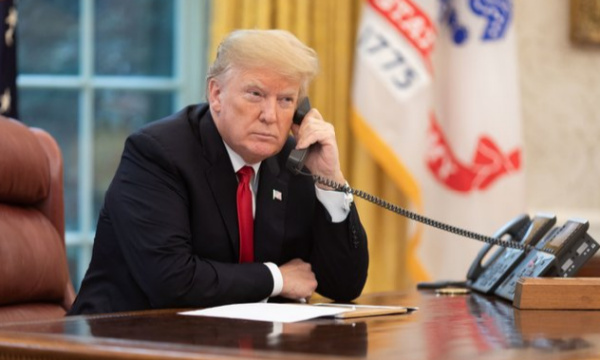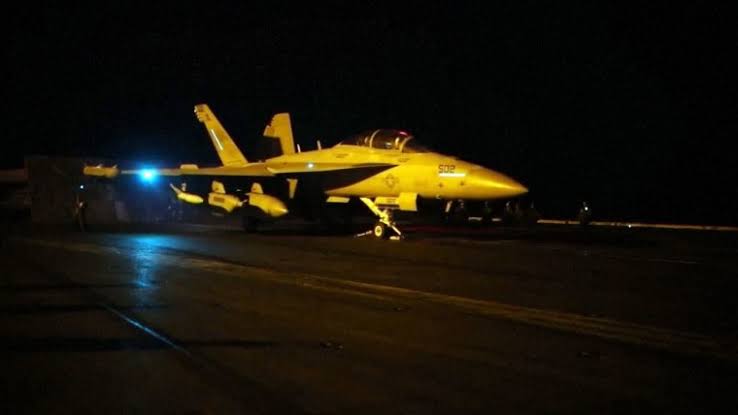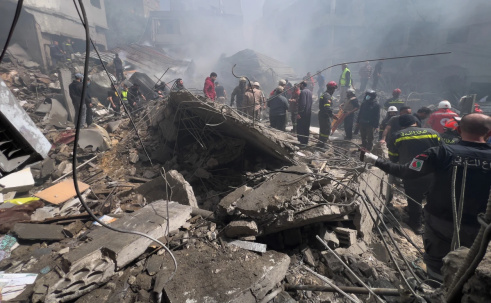







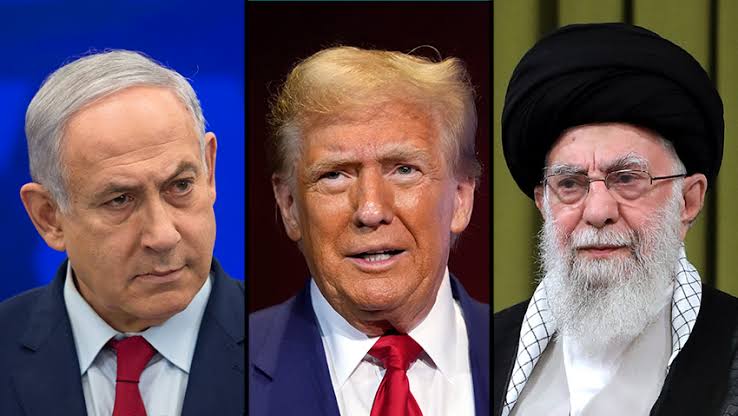
On February 28, 2026, the Middle East witnessed a dramatic escalation after the United States and Israel launched coordinated military strikes targeting multiple strategic locations in Iran. The operation, described by U.S. officials as a precision effort to weaken Iran’s military and leadership infrastructure, involved air and missile attacks across key Iranian cities, including Tehran, Isfahan, Shiraz, and Tabriz. The strikes were reportedly designed to neutralize high-ranking military commanders and critical operational facilities.
Iran responded swiftly, launching a series of missiles and drones across the Gulf, aimed at U.S. military bases and allied positions. Countries across the region, including Qatar, Kuwait, the UAE, Bahrain, and Jordan, reported intercepting Iranian projectiles, while at least one casualty was confirmed from shrapnel damage. Airspace closures and heightened military alerts were implemented as a precaution against further attacks.
Satellite imagery revealed increased activity at U.S. bases in Saudi Arabia, signaling regional readiness amid the escalating crisis. The strikes marked one of the most significant confrontations between Iran and Western-backed forces in recent years, intensifying fears of a wider conflict across the Middle East.
While rumors circulated online about Saudi Arabia joining the strikes, verified reports indicate that Riyadh has not carried out direct offensive operations against Iran. Instead, the Saudi government issued a stern condemnation of Iran’s attacks, particularly those that targeted areas hosting U.S. forces within the kingdom. Saudi authorities emphasized that their air defenses successfully intercepted projectiles aimed at Riyadh and the Eastern Province.
The Saudi foreign ministry further pledged full support to Gulf allies affected by Iran’s missile launches, offering logistical and military assistance without engaging in offensive strikes on Iranian territory. Riyadh’s position underscores the kingdom’s focus on defensive measures while reinforcing solidarity with allied nations in the region.
The international community responded with urgent calls for restraint. European nations, including France, Germany, and the United Kingdom, appealed to Iran to seek diplomatic solutions and avoid further escalation. Global leaders expressed concern that continued military actions could spiral into a broader regional conflict with devastating humanitarian and economic consequences.
- Nigeria’s First Ebola Patient Identified as Wife of Swiss Diplomat as Authorities Probe Source of Infection
 Nigeria’s latest Ebola case has been traced to a 42-year-old…
- MURIC Seeks Police Probe into Alleged Killing of Man Inside Oyo Mosque
 The Muslim Rights Concern (MURIC) has petitioned the police over…
Read More “MURIC Seeks Police Probe into Alleged Killing of Man Inside Oyo Mosque” »
Reports from Iranian state media described the retaliatory strikes as a necessary response to what Tehran called aggression against its sovereignty. Iranian officials vowed that the attacks would continue as long as foreign powers threaten their nation, raising fears of an extended cycle of retaliation between Iran and Western-backed forces.
Military analysts note that the current escalation highlights vulnerabilities in the Gulf region’s security landscape. The proximity of U.S. bases, the involvement of multiple allied nations, and Iran’s missile capabilities all contribute to a volatile environment where any miscalculation could have far-reaching consequences.
Despite the ongoing tension, both the U.S. and Israel stated that their operations are targeted and intended to degrade Iran’s military capabilities rather than provoke a full-scale war. The strikes are part of a broader strategy to maintain regional stability while deterring further Iranian aggression against U.S. and allied forces.
For now, the situation remains tense, with Gulf states on high alert and diplomatic channels actively engaged to prevent further escalation. Saudi Arabia’s defensive stance, combined with U.S. and Israeli operations, underscores the delicate balance of power in the region, leaving the world watching closely as events continue to unfold.