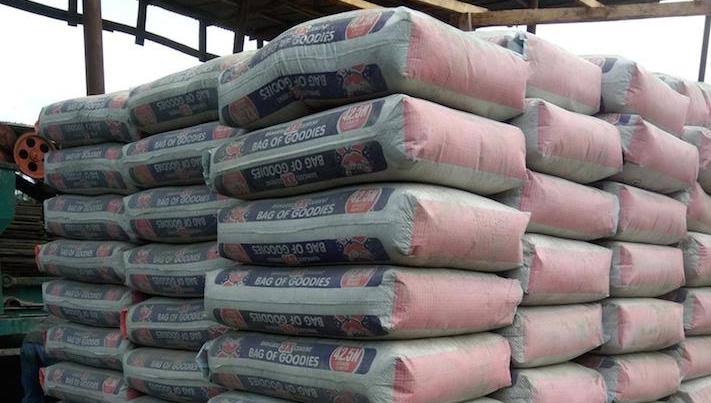







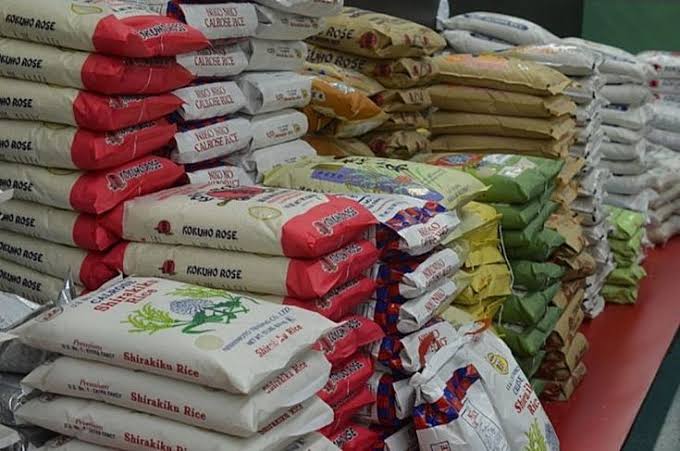
The prices of rice have crashed dramatically across major Lagos markets, bringing huge relief to consumers and sparking mixed reactions among traders. A market survey across key trading centres such as Mile 12, Oyingbo, Festac Town, and Arena Market in Oshodi revealed that the price of a 50-kilogram bag of rice has dropped significantly to between ₦55,000 and ₦70,000, depending on the brand and location. This marks a notable fall from earlier prices that ranged between ₦85,000 and ₦95,000 earlier in the year.
According to traders, the sudden decline in price is driven by a surge in supply — both from increased local production and a renewed influx of imported rice into the Nigerian market. Several importers have resumed operations following the partial reopening of land borders, allowing more foreign brands to reach Lagos markets. At the same time, improved harvests from northern states have boosted local production, creating a glut that is now forcing prices down.
During visits to the markets, retailers confirmed the ongoing price reduction across popular rice brands. At Festac Town Market, “Pretty Lady” rice sold for around ₦57,000 per 50-kg bag, “Mama Africa” went for ₦62,000, “Mama Gold” at ₦67,000, while “Big Bull Premium” traded around ₦73,000. Similar price trends were recorded at Mile 12 and Oyingbo, where market stalls were well-stocked with both local and imported varieties. For many buyers, this development represents the first meaningful relief in months amid persistent food inflation.
However, not everyone is smiling. Many traders are now counting their losses after buying large quantities of rice at higher prices earlier in the year. A retailer in Oyingbo lamented that she had purchased several bags at ₦80,000 each but is now forced to sell at ₦65,000 just to clear stock. “We are selling at a loss,” she said. “We bought at high prices when the exchange rate was bad, but now that rice is everywhere, people won’t even price above ₦65,000.”
- Nigeria’s First Ebola Patient Identified as Wife of Swiss Diplomat as Authorities Probe Source of Infection
 Nigeria’s latest Ebola case has been traced to a 42-year-old…
- MURIC Seeks Police Probe into Alleged Killing of Man Inside Oyo Mosque
 The Muslim Rights Concern (MURIC) has petitioned the police over…
Read More “MURIC Seeks Police Probe into Alleged Killing of Man Inside Oyo Mosque” »
While consumers welcome the fall in prices, some economic watchers warn that the trend might not last long. Market experts say the decline could be temporary, given that rice prices often rise again during the festive season when demand surges. They also caution that if traders reduce their stock due to losses, it might create artificial scarcity, reversing the current downward trend in November or December.
Government officials and policy analysts, however, view the development as a positive sign of progress in Nigeria’s food sector. With rice being one of the country’s most consumed staples, a price reduction directly impacts household budgets and overall inflation rates. Recent reports indicate that food inflation has slightly eased in October, thanks to declining prices of grains, vegetables, and now rice.
Local farmers are also beginning to feel the impact, though with mixed emotions. On one hand, improved yields and better access to markets have rewarded their efforts; on the other hand, a price crash means they may not get sufficient returns on their harvests. Some fear that sustained low prices could discourage further production if the government fails to introduce stabilisation measures or provide storage and distribution support.
The situation highlights the delicate balance within Nigeria’s food supply chain — where increased production, import policy, consumer demand, and market speculation constantly interact to determine prices. As the Lagos rice market adjusts to the new reality, traders, farmers, and consumers alike remain watchful of what happens next, especially as the festive period approaches.
For now, Lagos residents are seizing the opportunity to stock up while prices remain low. Many families who previously struggled to afford a full bag of rice are now buying in bulk, describing the development as a “rare blessing” amid tough economic times. But uncertainty remains over whether the downward trend will persist or if the market will swing back upward before the year ends.
In essence, the crash in rice prices across Lagos markets paints a complex picture of relief and risk. While consumers celebrate cheaper food, traders nurse losses and farmers worry about sustainability. Whether this development marks the start of a stable food price era or just a fleeting break from inflation will become clear in the months ahead — but for now, Lagosians are finally getting some breathing space at the market stalls.