
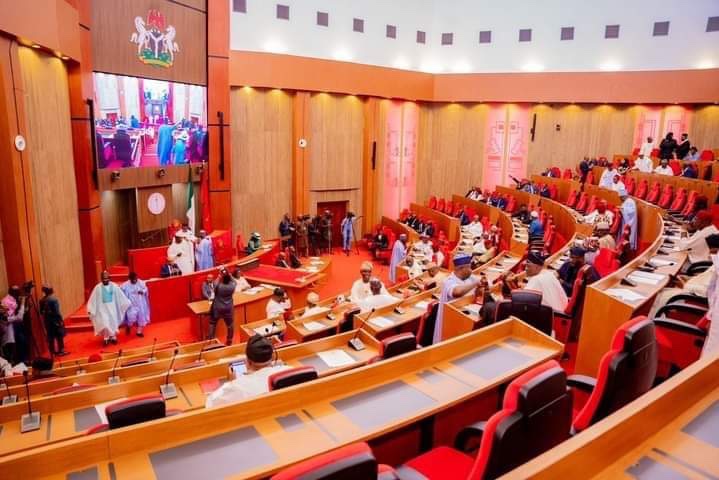
The National Assembly has commenced deliberations on a sweeping constitutional review that could significantly alter Nigeria’s political and administrative structure, with proposals to create 55 new states and 278 additional local government areas across the country. The move, which forms part of the ongoing review of the 1999 Constitution, aims to deepen governance, address long-standing agitations for representation, and bring government closer to the people.
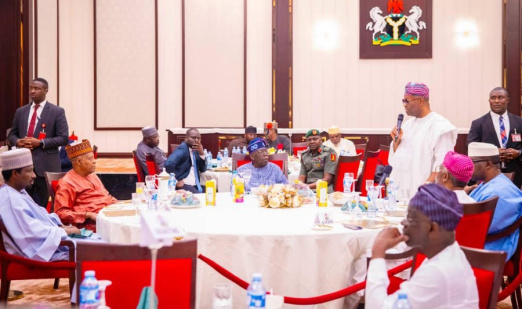
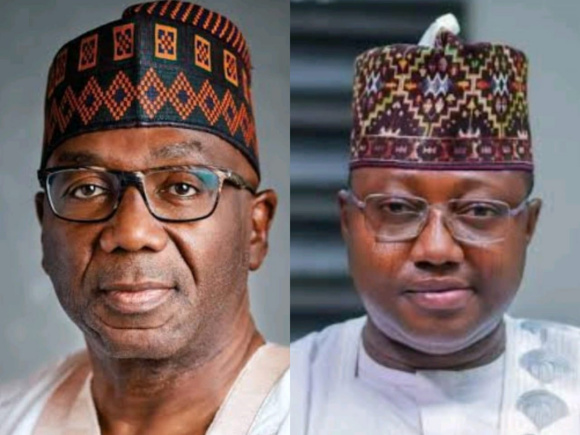
Speaking at a two-day joint retreat of the Senate and House of Representatives Committees on the Review of the 1999 Constitution held in Lagos, the Deputy Senate President and Chairman of the Senate Committee on Constitution Review, Senator Barau I. Jibrin, confirmed that the National Assembly had received 69 bills relating to the proposed amendments. According to him, these include 55 separate bills seeking the creation of new states, two bills on boundary adjustments, and 278 bills proposing new local government areas.
Jibrin explained that the process, which began two years ago, has involved extensive engagements with stakeholders, civil society groups, and interest organisations across the country. He assured Nigerians that the committees are committed to producing a comprehensive amendment that reflects the aspirations of citizens in every geopolitical zone. He also disclosed that the first batch of amendment bills could be transmitted to state Houses of Assembly before the end of 2025.
The proposals, if approved, would represent the most extensive restructuring of Nigeria’s subnational governance system since the return to democratic rule in 1999. Advocates of the new states argue that it would ensure fairer representation, reduce ethnic tension, and promote even development. However, critics warn that creating new administrative units could place additional financial pressure on the federation and worsen the country’s already high cost of governance.
- Nigeria’s First Ebola Patient Identified as Wife of Swiss Diplomat as Authorities Probe Source of Infection
 Nigeria’s latest Ebola case has been traced to a 42-year-old…
- MURIC Seeks Police Probe into Alleged Killing of Man Inside Oyo Mosque
 The Muslim Rights Concern (MURIC) has petitioned the police over…
Read More “MURIC Seeks Police Probe into Alleged Killing of Man Inside Oyo Mosque” »
Under the current constitutional provisions, any amendment that seeks to create new states or local government areas must pass through several rigorous stages. Both chambers of the National Assembly must first approve the bills by a two-thirds majority before transmitting them to all 36 state Houses of Assembly. For the amendment to succeed, at least 24 state legislatures must also endorse the proposals before they are presented to the President for final assent.
Political observers believe that while the idea of restructuring remains popular among many Nigerians, the complexity of the legislative process and competing regional interests could pose significant hurdles. Some states and ethnic groups have long championed new state creation as a means of achieving self-determination and administrative fairness, while others fear that such moves could deepen divisions and overburden national resources.
The debate has also reignited discussions about the financial viability of Nigeria’s subnational entities. Many existing states and local governments already struggle to meet salary obligations and fund basic infrastructure. Analysts caution that adding new states and councils without corresponding economic reforms could increase dependency on federal allocations and slow economic growth.
Nonetheless, proponents of the amendment insist that decentralising governance remains the most effective path toward a more balanced and inclusive federation. They argue that new administrative units would create jobs, expand political participation, and improve service delivery in previously neglected communities. For many Nigerians, especially in rural regions, the creation of new states and LGAs is seen as an opportunity for development and recognition.
As the constitutional review continues, the National Assembly has promised transparency and inclusiveness in its proceedings. Lawmakers say public hearings will soon be held nationwide to gather input from citizens, traditional rulers, community leaders, and civil society organisations before final decisions are made. The committees have assured the public that only proposals that pass the test of equity, viability, and national interest will be recommended for adoption.
With the review process now in full swing, the coming months will determine how far the legislature is willing to go in reshaping Nigeria’s governance framework. Whether or not the 55 proposed states and 278 new local government areas become reality, the conversation underscores the ongoing quest for a more representative and functional federation that can meet the needs of its diverse population.